Progressive retinal atrophy, Bengal variant (PRA-b)
An inherited condition causing progressive degeneration of the retina and eventual vision loss. A DNA test is available for the Bengal specific variant. [1]
BENGAL BREED GUIDE
Our quote service is not live yet while we onboard insurers. Book a demo to see how it will work.
The Bengal's recognised health considerations are screening led: two conditions with a breed specific DNA test, and one screened by heart scan. Screening availability is not evidence that a condition is common. [1] [2]
A breed predisposition does not mean your cat will develop the condition, and it does not tell you whether treatment would be covered.
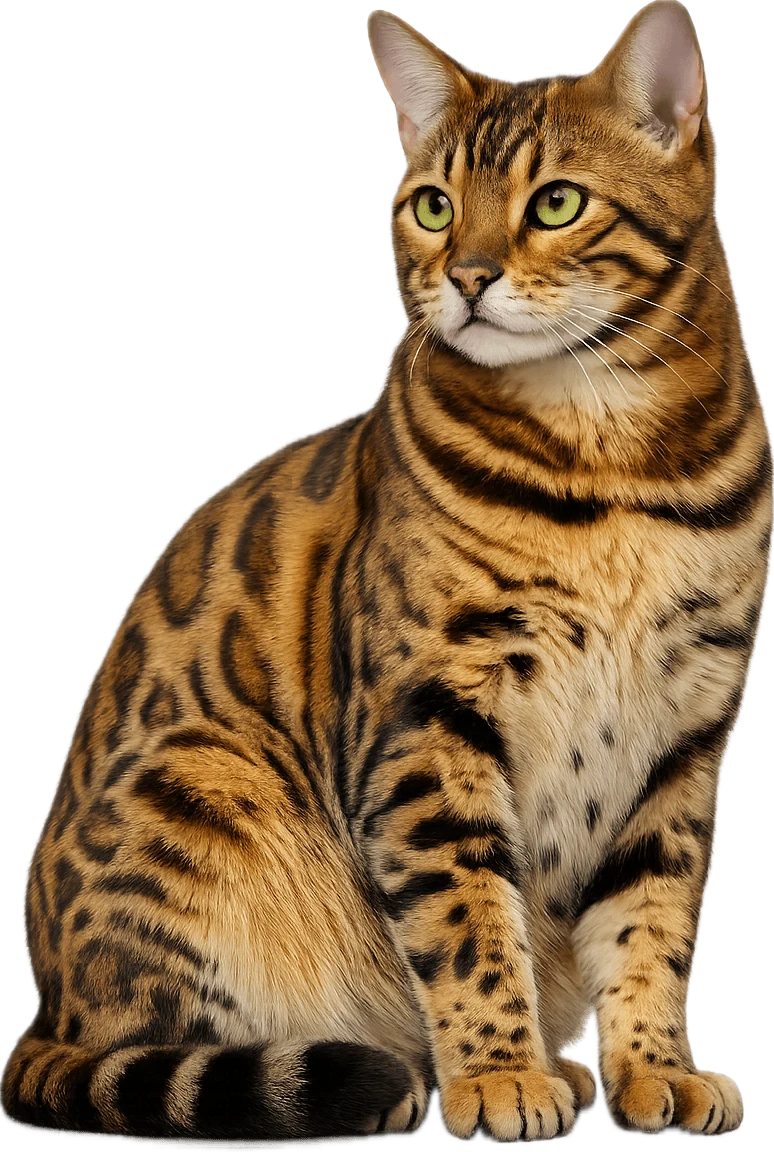
THE EVIDENCE IN BRIEF
This guide sets out the recognised health evidence for the Bengal from UK veterinary and breed health sources, and explains which policy terms are worth reading closely as a result. Individual cats vary, and a recognised predisposition does not mean an individual will be affected.
Figures are quoted with the study, sample and period they come from. Annual prevalence is not lifetime risk, and odds ratios are not probabilities.
RECOGNISED HEALTH CONSIDERATIONS
An inherited condition causing progressive degeneration of the retina and eventual vision loss. A DNA test is available for the Bengal specific variant. [1]
An inherited enzyme deficiency that can cause anaemia. A DNA test is available for the breed. [1]
Thickening of the heart muscle that can impair function. International Cat Care, with the Veterinary Cardiovascular Society, operates an echocardiographic HCM screening scheme, and GCCF material identifies the Bengal among the breeds for which this is of particular importance. Robust UK prevalence data for the breed is limited, so no figure is given here. [1] [2]
This is general breed information rather than a diagnosis. Speak to a vet about symptoms or concerns affecting an individual cat.
POLICY TERMS THAT MATTER
A breed predisposition does not mean your cat will develop a condition, and it does not tell you whether treatment would be covered. Cover depends on the individual policy, its exclusions and limits, when signs or symptoms first appeared, and your pet's medical history.
These are the terms worth reading closely if you are arranging or comparing cover for a Bengal. Wording varies between providers, so check the policy documents rather than assuming any of them applies.
Inherited conditions are never automatically covered. Check whether they are included, excluded or limited, and read that alongside the pre-existing definition.
Retinal disease means referral, and it affects both eyes. Some wordings treat a bilateral condition as a single condition, which changes how limits apply.
Heart screening on a well cat is usually treated as preventative rather than treatment. Diagnosis and monitoring of a diagnosed condition are different, so check both.
Anaemia is investigated before it is diagnosed, and investigation costs sit inside the same limits as treatment.
Anything already noted in your cat's veterinary history may be relevant to an insurer's assessment, depending on the definition the policy uses.
Cardiac conditions are managed over years, so check whether treatment continues at renewal and how limits apply across policy years.
Health screening tells you what breeders monitor. A genetic test result alone does not establish whether a future condition will be covered. Answer the insurer's health questions accurately and check how its terms apply. This is general information, not a personal recommendation.
BREEDING HEALTH INFORMATION
Screening availability is breeding health information. It is not evidence that a condition is common, and no screening result guarantees insurance cover.
OWNERSHIP CONSIDERATION
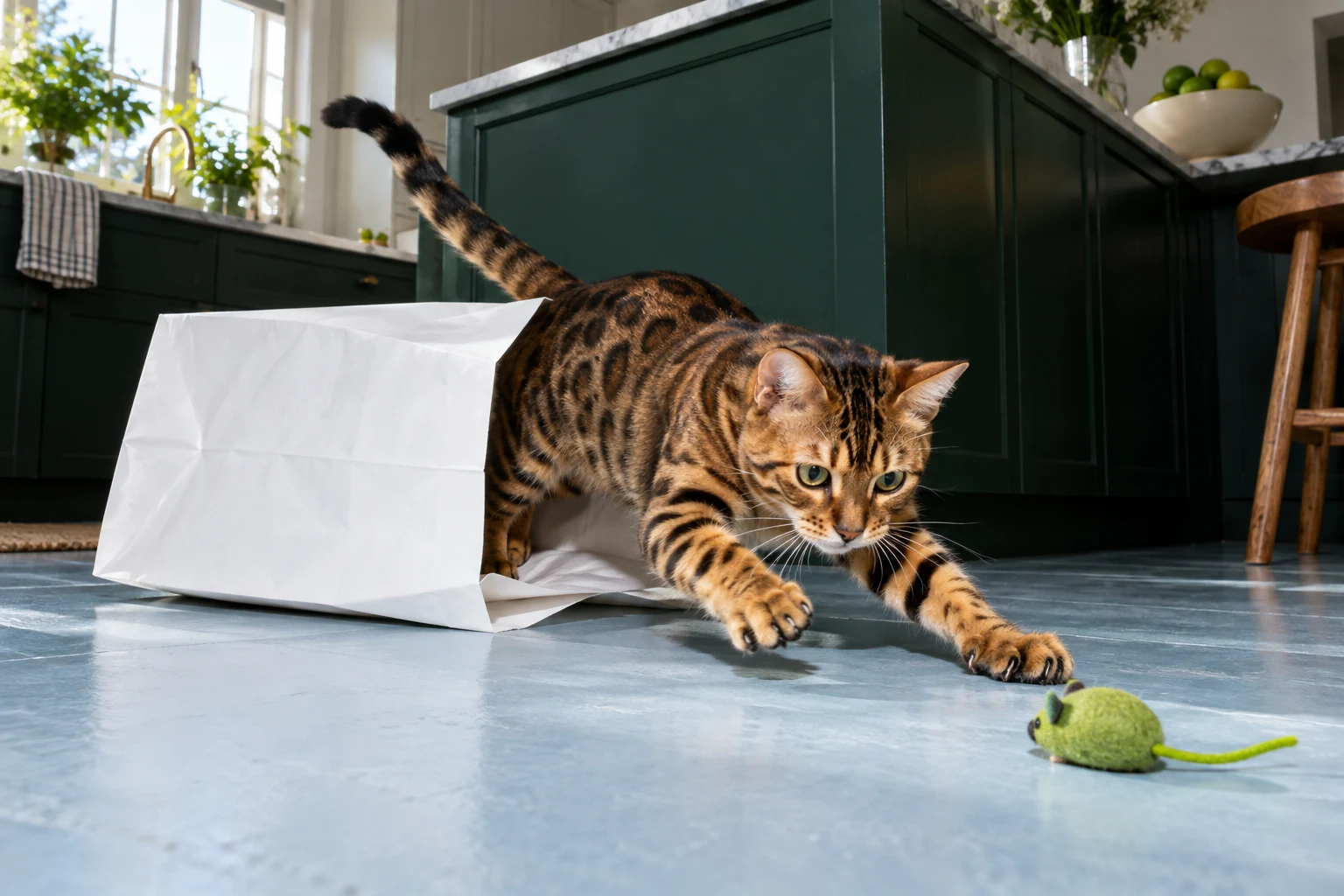
Behavioural research has consistently placed Bengals among the most active and playful cat breeds. That is not an insurance matter, but it is a real ownership consideration and it belongs on the page.
Treat the breed as demanding rather than unsuitable. Climbing space, puzzle feeding, and structured play are part of normal care for a Bengal, and they are husbandry rather than insured treatment. No policy covers enrichment, furniture or behavioural management.
COMMON QUESTIONS
EDITORIAL STANDARDS
Health content is written from UK veterinary research and official breed health sources, and every figure keeps the study, sample and period it came from. Insurance content explains policy terms only: it does not recommend a cover type, quote a price or make any claim about eligibility.
Cover can vary by provider. Final prices may change on the provider website, and you should check the policy documents before buying.
KEEP READING
Researching more than one breed? These guides follow the same format, so you can compare temperament, health and day to day needs side by side.
WHEN YOU ARE READY
Our quote service is not live yet while we onboard insurers. Book a demo to see how it will work.