


FIREWORKS SEASON
HELPING THEM THROUGHFIREWORKS SEASON
For a lot of dogs and cats, autumn is genuinely frightening rather than mildly annoying. Here is what actually helps, and the cover question nobody asks until afterwards.
Our quote service is not live yet while we onboard insurers. Book a demo to see how it will work.
60%
of dog owners responding to the 2025 Savanta poll reported that fireworks negatively affected their dog, according to the RSPCA
4X
the hearing distance described for dogs compared with people in RSPCA guidance
14,000+
responses received by the RSPCA's fireworks impact survey from 2021 to 2024
Sources: RSPCA, Pets and fireworks; Savanta, Fireworks polling for the RSPCA, published 17 October 2025. The poll and impact survey are separate sources.
IT IS NOT SIMPLY THAT THEY ARE LOUD
Fireworks affect pets differently to the way they affect us, and understanding why makes the preparation make sense. This is a fear that can be managed, but not on the night itself.
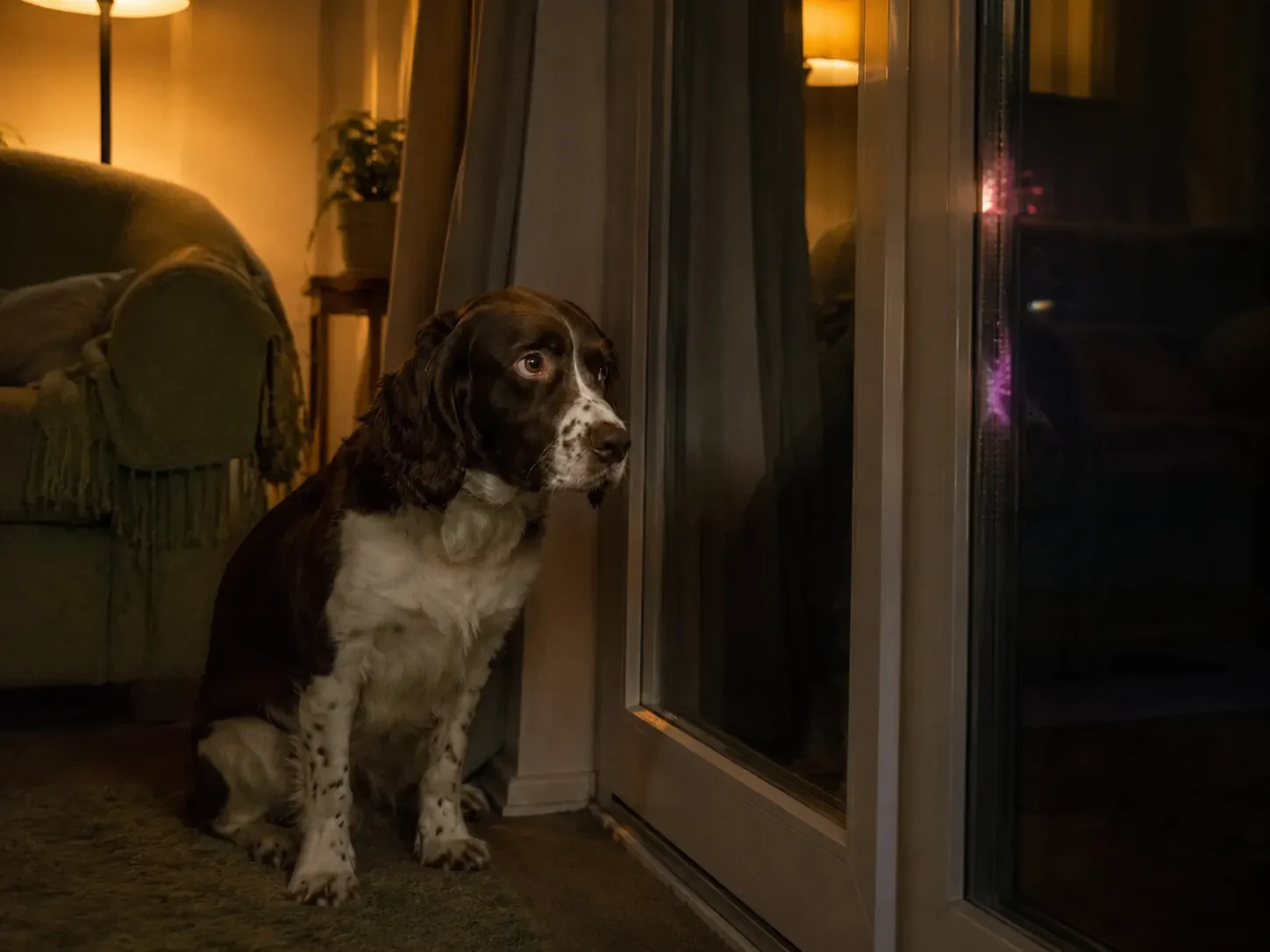
Their hearing works against them
The RSPCA explains that dogs can hear sounds from around four times farther away than people and can detect higher frequencies. Fireworks can cause distress and hearing damage. Prepare a quiet space and speak to your vet in advance if your pet is frightened by noise.
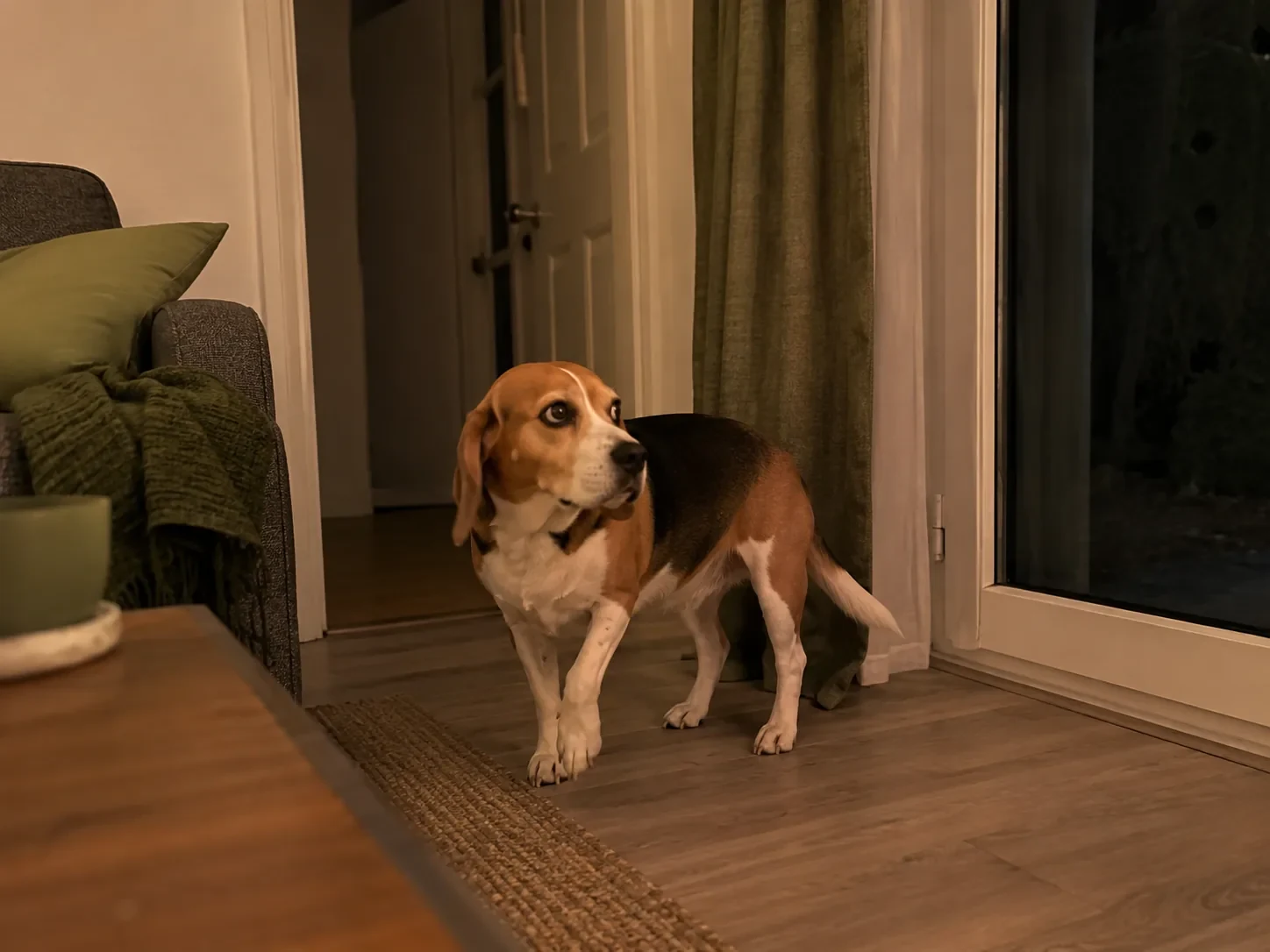
Fear turns into injury
Fireworks can cause harm through both noise and a frightened animal's attempts to escape. Frightened pets may try to escape and injure themselves, bolting, scrambling at doors, jumping fences and running into roads.
Frightened pets may try to escape and injure themselves
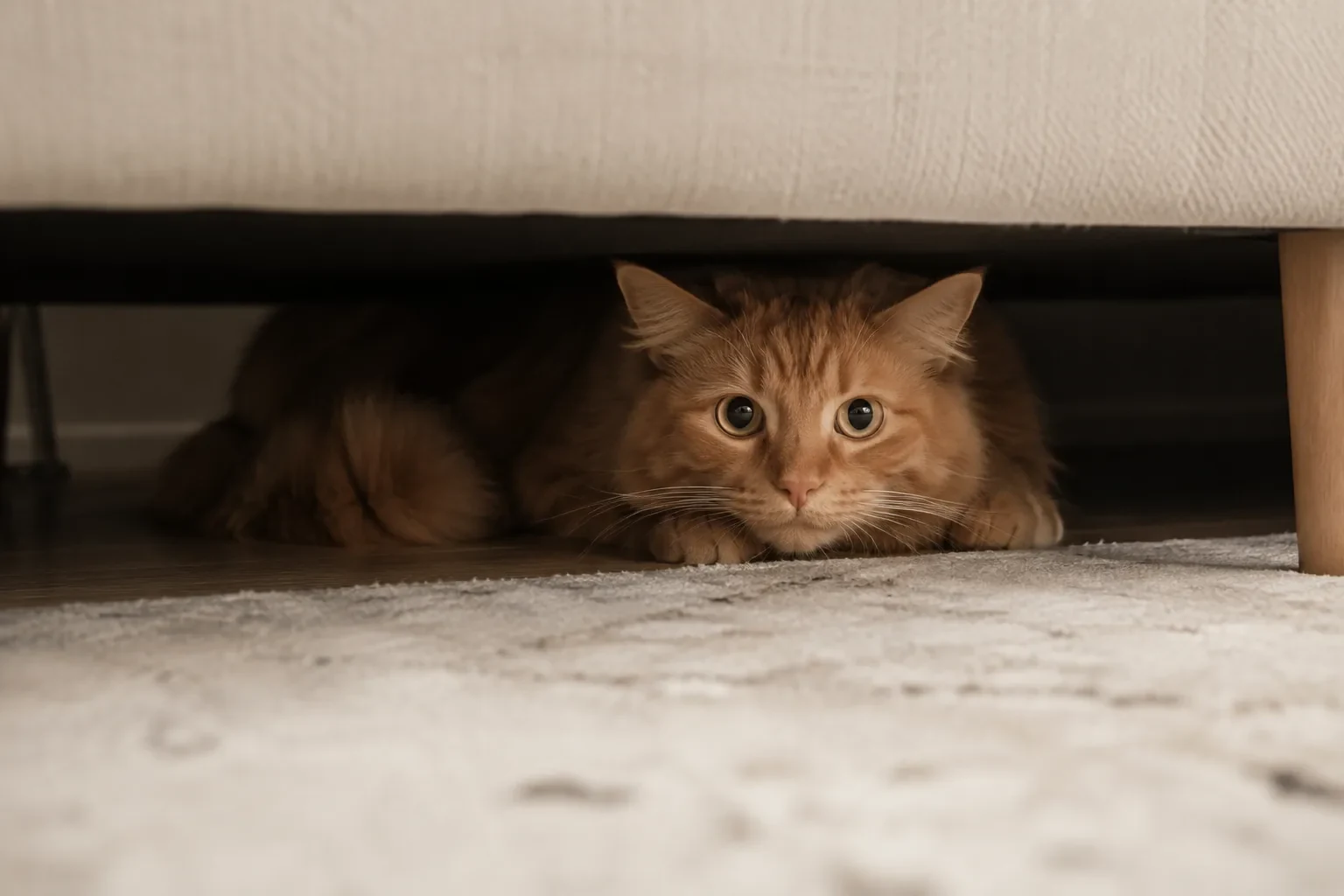
Cats hide it better
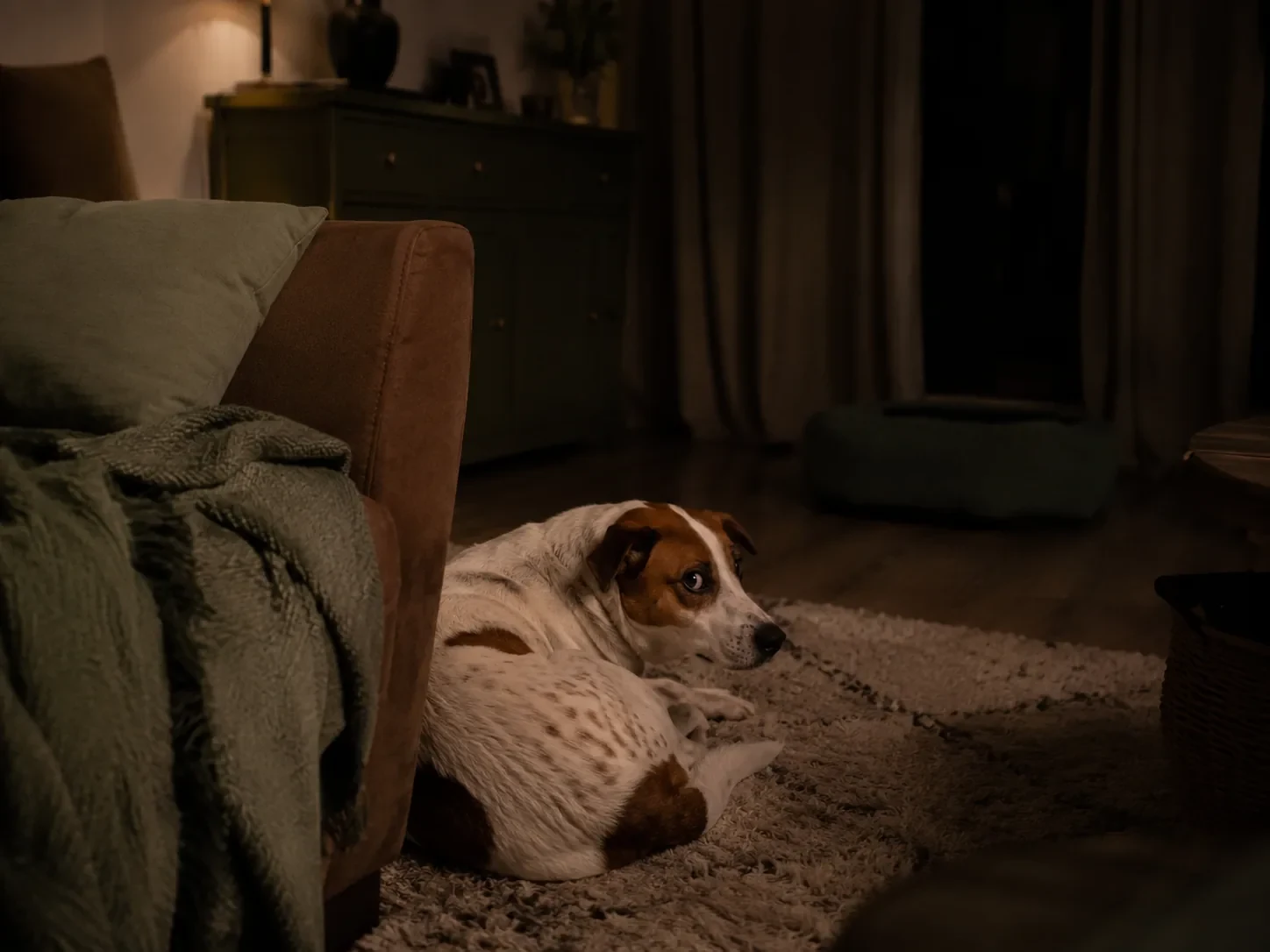
Dogs shake and pant, so their distress is obvious. Cats go quiet, hide and stop eating, which is easy to miss entirely. Small animals kept outdoors are the most exposed of all and are often forgotten.
WHAT A GOOD SETUP LOOKS LIKE
A covered den they choose themselves
Curtains closed, radio on
Garden secured, well before dark
HOW TO PREPARE PROPERLY
Almost all of this works better done weeks ahead than on the night.
- Start early. Preparation in advance beats anything improvised once the bangs begin.
- Secure the house and garden. Check gates, fences and doors, and keep cat flaps locked from late afternoon.
- Build them a den. A quiet covered space with their bed and familiar smells, somewhere they can choose to go rather than be put.
- Mask the sound. Curtains drawn, television or radio on, lights on so the flashes are less stark.
- Feed and walk early. Get walks done in daylight and feed before displays are likely to start.
- Behave normally. Let them hide if they want to. Following them around or fussing tends to confirm that something is wrong.
- Check their ID. Microchip details and collar tags should be up to date before the season, not after they have gone missing.
- Speak to your vet. If the fear is severe, there is help available, and it works best arranged well in advance.
THE COVER QUESTION
WOULD YOUR POLICY ACTUALLY COVER IT?
This is the part every other firework guide leaves out. If your dog bolts and injures themselves, or hurts themselves trying to escape, that is an accident and most comprehensive policies would consider it. If your pet goes missing, some policies include cover towards advertising and a reward, but plenty do not, so it is worth checking rather than assuming. The one to look at carefully is behavioural treatment. Many standard policies exclude behavioural issues entirely unless there is an underlying medical cause, and those that do include it usually require a referral from your vet. Behavioural cover varies, and symptoms or conditions that began before cover started may be excluded. Check the insurer's terms. When comparing behavioural cover, check the treatment included, any referral requirement, and whether previous symptoms would be excluded.
COMMON QUESTIONS
CHECK WHAT YOUR COVER INCLUDES
Explore how pet insurance works and check which policies include behavioural treatment and missing pet cover.
General information only, not veterinary advice. Guidance drawn from published UK sources including the RSPCA and PDSA. If you are worried about your pet, contact your vet straight away.