Yeti Compare

KITTEN INSURANCE

KITTEN INSURANCE,FROM THE START

Right now your kitten has almost nothing on its medical record. That is the one thing about insuring them you cannot get back later, and it matters more than the price does. Planning early can help, but cover does not necessarily begin immediately. Waiting periods and other policy terms apply.

Our quote service is not live yet while we onboard insurers. Book a demo to see how it will work.

Why timing matters

Our quote service is coming soon. Participating providers and available cover will be confirmed before launch.

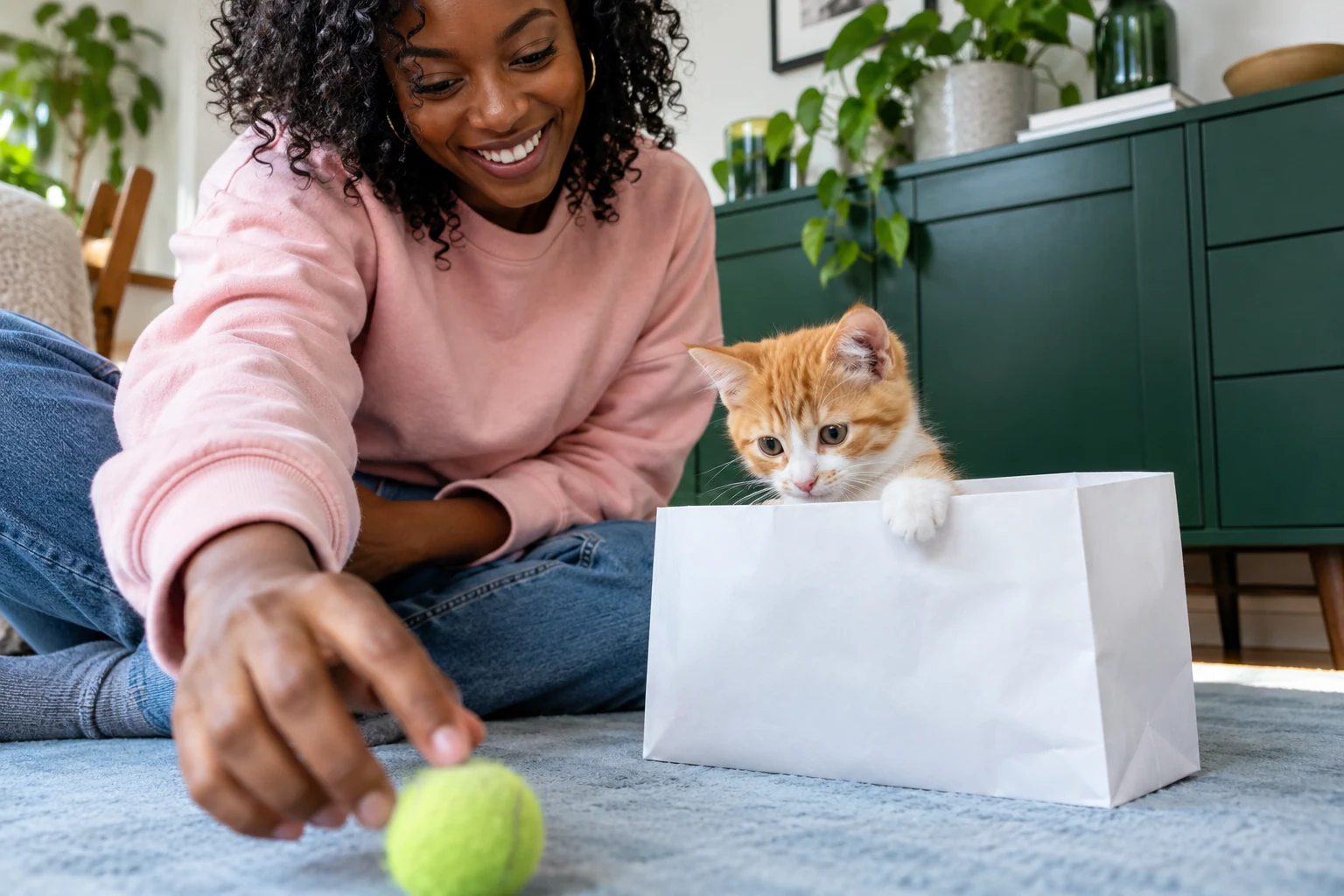
A ginger and white kitten climbing out of a paper bag towards its owner

THE SHORT VERSION

WHY PEOPLE INSURE A KITTEN STRAIGHT AWAY

Insurers decide what to cover based on what is already known about your kitten's health. Anything a vet has seen, treated or made a note of before a policy starts is normally excluded from it.

A kitten that has just come home has almost nothing on that record. Cover started now has very little to work around. Cover started in two years has whatever has happened in between.

That is the entire argument for insuring early, and it has nothing to do with price.

This is general information, not a personal recommendation.

THE BIT PEOPLE MISS

COVER DOES NOT USUALLY START THE MOMENT YOU BUY

Most policies include a short waiting period at the start. Illness cover commonly begins around two weeks in, and accident cover usually sooner, though the exact periods vary between insurers and are set out in the policy wording.

Anything that appears during that window is normally treated as pre-existing, in the same way as something that happened before the policy started.

That is worth knowing when you decide when to begin cover, because the waiting period runs whether or not anything happens during it. Starting sooner means it is behind you sooner.

The waiting period runs whether you use it or not

WHAT YOU ARE BUYING

WHAT IT PAYS FOR, AND WHAT IT DOES NOT

Most of what you are paying for is vet fees. Several other things usually come with it, and several important things sit outside almost every policy.

Vet fees

The main reason most people insure. Policies typically cover treatment when your kitten is ill or injured: consultations, tests and scans, medication, surgery, hospital stays, and referral to a specialist if your vet recommends one.

How much you actually get back depends on your vet fee limit and your excess. Both are explained in the next section, and they matter more than anything else on this page.

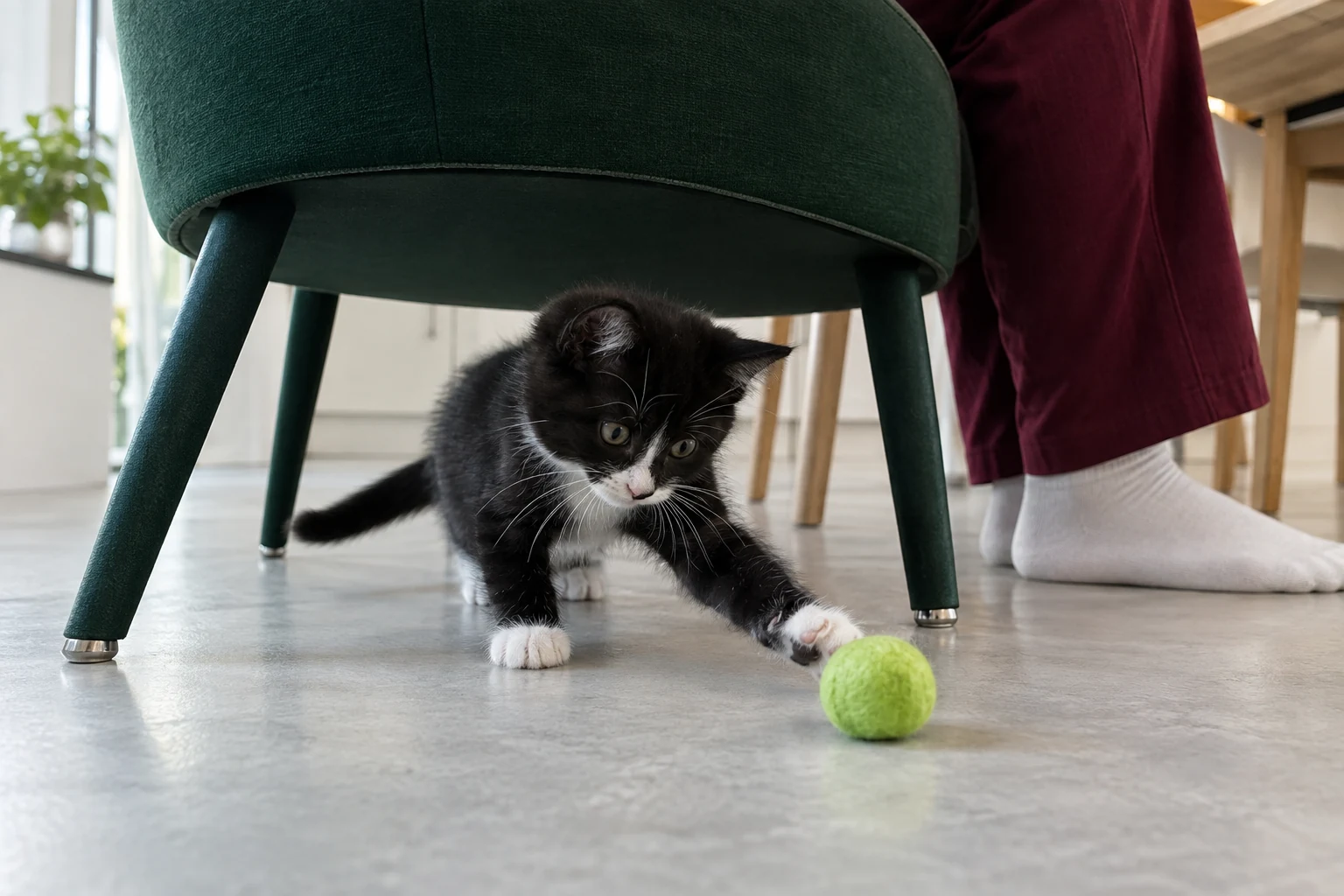
A black and white kitten batting a ball under a chair

What usually comes with it

What is included varies between policies, but commonly:

  • Advertising costs and a reward if your kitten is lost or stolen
  • A payment if your kitten dies from an eligible illness or injury
  • Boarding or cattery fees if you are admitted to hospital and cannot care for them
  • Emergency vet fees while travelling abroad
  • Holiday cancellation if your kitten needs urgent treatment
  • Some complementary therapies, such as physiotherapy, where a vet has prescribed them

What sits outside almost every policy

Routine and preventative care is normally excluded. That means vaccinations, worming and flea treatment, microchipping, neutering and routine dental care are usually yours to pay for. Budget for them separately, because they are a real first-year cost and no policy will cover them.

Grooming, cosmetic procedures and breeding-related costs are also typically excluded.

Cover varies between insurers and policies. Always read the policy wording and the Insurance Product Information Document before you buy. This is general information, not a personal recommendation.

THE PART THAT DECIDES THE PAYOUT

THE THREE NUMBERS THAT DECIDE WHAT YOU GET BACK

Two policies can look almost identical on price and pay very different amounts. These three things are usually why.

01

The vet fee limit

The most a policy will pay towards eligible treatment. How it applies depends on the cover type: as an annual allowance on a lifetime policy, as a fixed amount per condition on maximum benefit, or per condition within a fixed period on time-limited cover.

The question is not what covers an average year. It is what would still be paying if something serious happened.

02

The excess, and any contribution on top

The excess is the set amount you pay towards a claim. Check whether it applies once per condition per policy year, or every single time you claim, because for a condition treated repeatedly that difference is significant.

Many policies also add a percentage of the remaining eligible bill once a cat reaches a certain age. That is years away for a kitten, but it is in the policy you are buying now.

03

The inner limits

Many policies cap particular treatments inside the overall limit. Dental work, diagnostic imaging, behavioural treatment and complementary therapies can each carry their own cap.

A policy can advertise a high headline limit and still pay very little towards one specific type of treatment. These caps are in the wording rather than the headline figure.

A lower premium usually reflects a lower limit, a higher excess, or tighter inner limits. Compare those three before you compare price.

Our quote service is coming soon. Participating providers and available cover will be confirmed before launch.

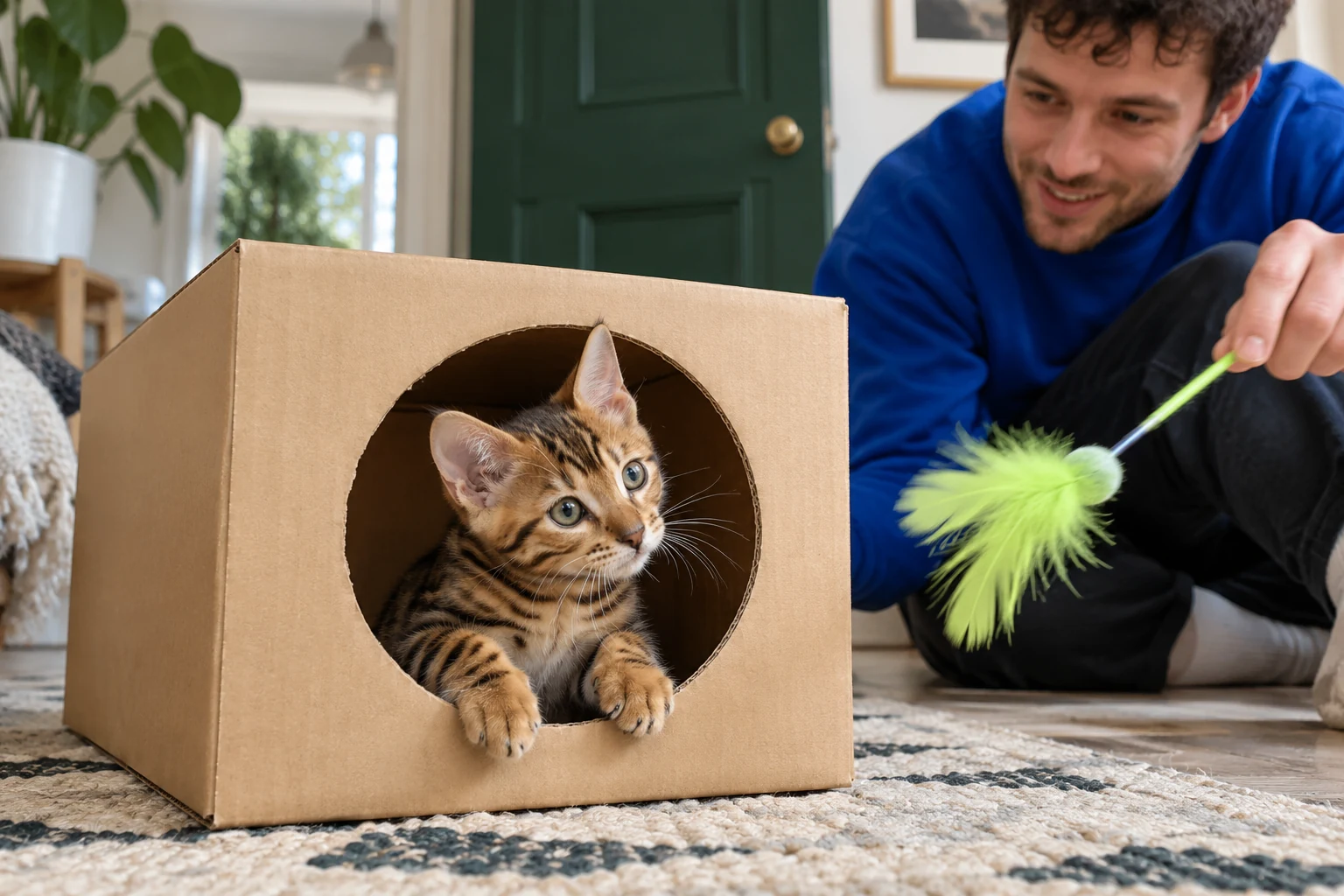
A Bengal kitten looking out of a cardboard box while its owner holds a feather toy

THE DECISION THAT LASTS LONGEST

THE FOUR MAIN TYPES OF PET INSURANCE

Pet insurance in the UK is commonly grouped into four main types. The category tells you how cover for eligible illnesses and injuries is structured, but policies within the same category can still differ in their limits, excesses, exclusions and additional benefits. Choosing a policy type affects how an eligible condition that begins while your cat is young could be covered as they grow.

Lifetime

Provides a set amount of cover for eligible illnesses and injuries during each policy year. If you renew the policy, the available cover can reset for the new policy year, which means an eligible ongoing condition can continue to be covered subject to the policy's terms and limits.

Cover can reset at renewal

Maximum benefit

Provides a fixed amount of cover for each eligible illness or injury. There is usually no set time limit for using that amount, provided the policy remains in force. Once the maximum available for a condition has been used, further treatment for that condition is no longer covered under the policy.

A fixed amount per condition

Time limited

Provides cover for each eligible illness or injury up to both a financial limit and a set period of time. Policies commonly use a 12-month treatment period, although the exact period varies. Cover for that condition ends when either the time limit or financial limit is reached.

Cover limited by time and amount

Accident only

Designed mainly to cover eligible injuries caused by accidents. It does not provide the general illness cover included with accident-and-illness policies, although the exact benefits and limits vary between insurers.

Mainly for accidental injuries

These are the four main types of pet insurance used in the UK, but policies within each category can still differ significantly. Compare the vet-fee limit, excess, exclusions and any condition-specific limits as well as the cover type. This is general information, not a personal recommendation.

KITTENS SPECIFICALLY

THREE THINGS THAT ARE DIFFERENT FOR A KITTEN

Congenital conditions are the one thing timing can protect

Some conditions are present from birth but show no signs for months or years. A heart murmur or a liver shunt might not be picked up at the first check.

Many policies will cover a congenital condition provided no signs of it appeared before cover began. That is unusual, and it only works in your favour while the record is clear. It is the strongest practical reason the timing of a kitten's first policy matters.

Definitions of congenital and hereditary vary between insurers, and some exclude certain conditions outright. Read that section of the wording.

First-year claims tend to be accidents, not illnesses

Kittens investigate things with their mouths and misjudge heights. Swallowed objects, falls and fractures are more typical of a first-year claim than the chronic conditions that affect older cats.

That does not mean accident-only cover is the right fit, because the policy you buy now is also the policy that would be in place if something long-running developed later. It does mean the first year may look different from what you expect.

Indoors or outdoors is a question you will be asked

Insurers commonly ask whether a cat lives indoors, has outdoor access, or both, and some price differently as a result.

Answer it as accurately as you can, including if the plan is to let them out later. An answer that does not match how your cat actually lives can affect a future claim.

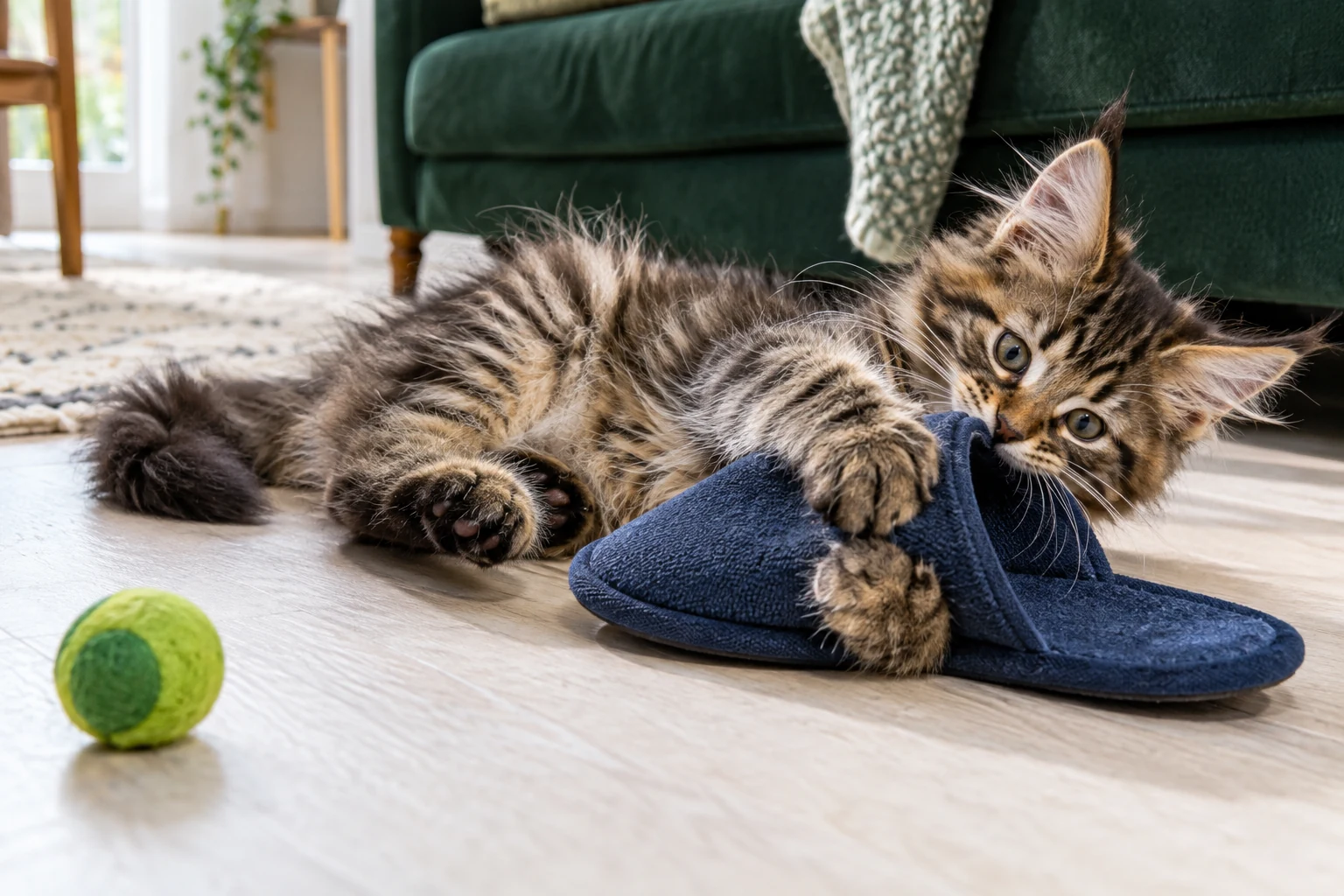
A Maine Coon kitten playing with a slipper on the floor

THE ONE THING YOU CANNOT GET BACK

A CLEAR RECORD IS WORTH MORE THAN A LOW PREMIUM

If a kitten has shown signs of a condition, been investigated for it, or been treated for it before a policy starts, a new insurer will usually exclude it. It does not always need to have been formally diagnosed. A note in the records can be enough, and an exclusion can extend to anything the insurer considers medically related.

How long an exclusion lasts varies. Some insurers review it after a defined period with no symptoms, advice or treatment. Others do not.

Right now, there is very little on your kitten's record for that to apply to. In a year there will be more, and in five years more again. Nothing else about this decision works that way: the premium can be changed, the cover type can be changed, but the medical history only ever grows.


One thing to be clear about

Declare everything you know when you apply, including anything from a breeder, a rescue or a first appointment. An incomplete answer can affect a future claim, and there is no version of this where leaving something out helps you.

A Ragdoll kitten asleep in the arms of its owner at a desk
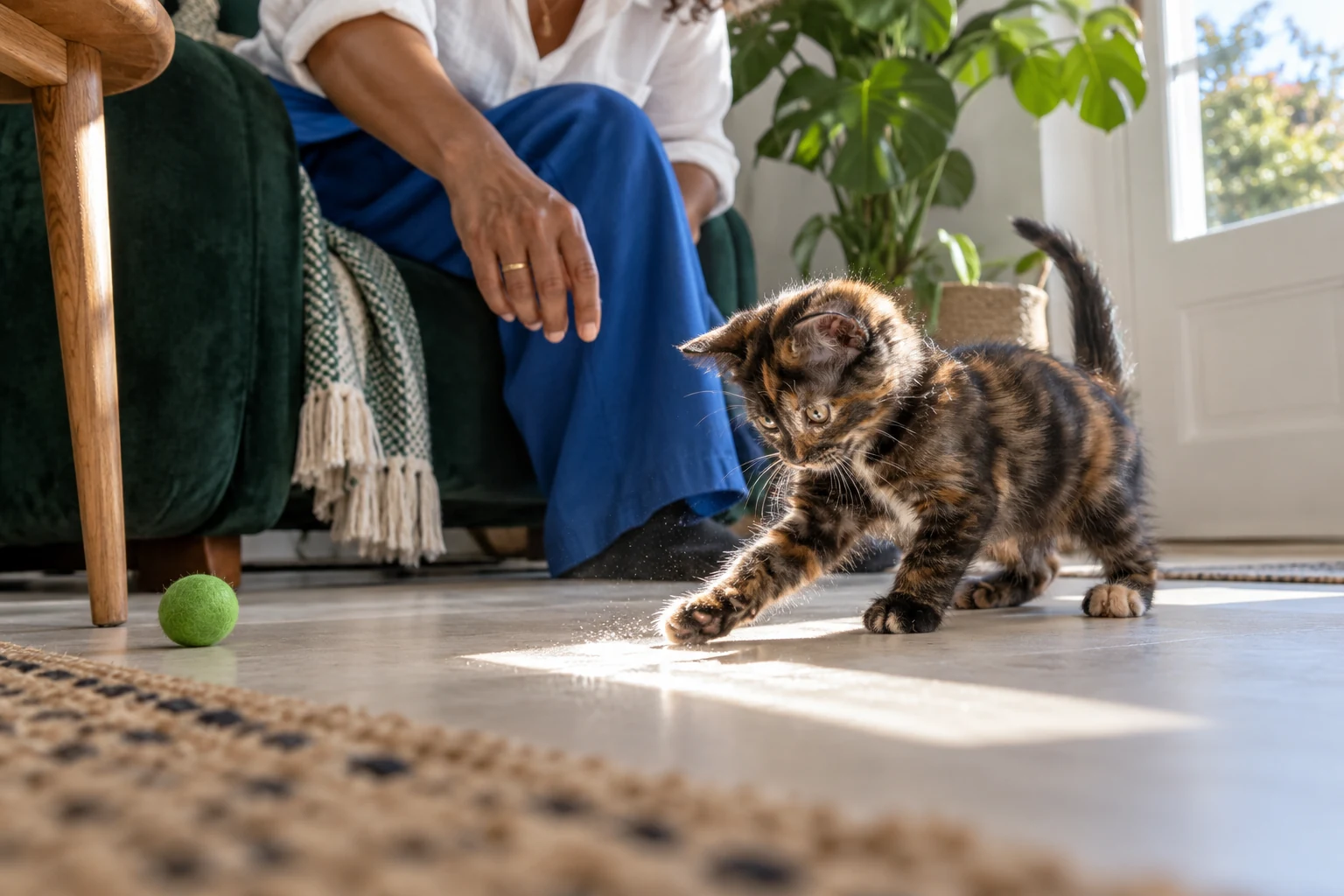
A tortoiseshell kitten playing with a ball in a patch of sunlight

BEFORE YOU START

WHAT WE WILL ASK FOR

Having this to hand makes the comparison quicker and the quotes more accurate.

  • Your kitten's name, breed or best description, and date of birth
  • Whether they are male or female, and whether they have been neutered
  • Whether they are microchipped
  • Your address and postcode
  • Whether they live indoors, have outdoor access, or both
  • When you want cover to start
  • Any vet visits, symptoms or treatment so far, including anything a breeder or rescue told you
  • Details of any cover a breeder or rescue provided, and when it ends

Answer every question accurately and in full. What insurers ask varies, and an incomplete answer can affect a future claim.

Our quote service is coming soon. Participating providers and available cover will be confirmed before launch.

COMMON QUESTIONS

WHAT NEW KITTEN OWNERS ASK

Most insurers will cover a kitten from around eight weeks old, and some from younger. Minimum ages vary, so check when comparing.

This is general information, not a personal recommendation.

COMPARE ON THE COVER,THEN ON THE PRICE

Check the cover type, the vet fee limit, the excess and the exclusions against what your kitten might actually need.

Book a demo

Our quote service is not live yet while we onboard insurers. Book a demo to see how it will work.

Our quote service is coming soon. Participating providers and available cover will be confirmed before launch.