Yeti Compare

CAT BREEDS

THE RAGDOLL.LOVELY TEMPERAMENT.ONE INHERITED RISK.

Our quote service is not live yet while we onboard insurers. Book a demo to see how it will work.

Ragdolls are among the calmest cats you can live with. They also carry a known genetic heart condition, which is worth understanding before you choose cover. Here is what that means for a Ragdoll policy.

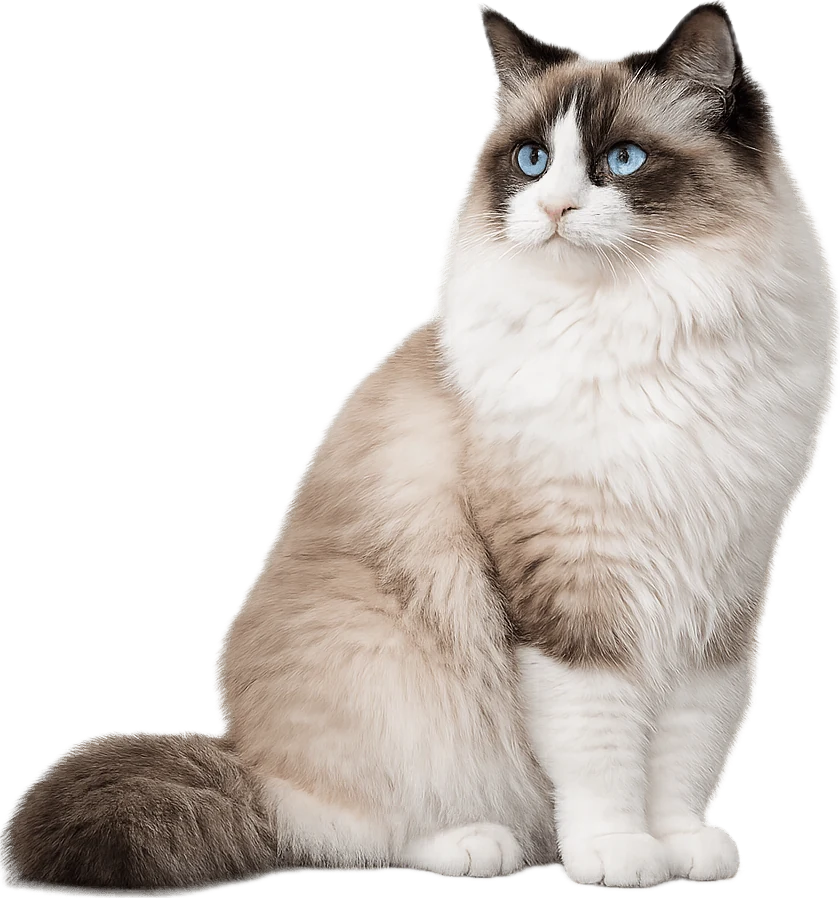
A Ragdoll cat sitting side on, showing the semi-long silky coat and blue eyes

THE SHORT VERSION

RAGDOLL AT A GLANCE

The practical facts that shape daily life with a Ragdoll, and the ones a quote form tends to care about.

Size
One of the largest cat breeds
Weight
6.8 to 9.1kg

Males. Females 3.6 to 6.8kg

Lifespan
12 to 17 years

Typical range

Coat
Semi-long, silky, little undercoat
Eyes
Blue, in all pedigree Ragdolls
Typically
Kept indoors

Breed characteristics describe tendencies rather than any individual cat. Breeding, age, environment and health all affect the cat you live with.

BEFORE YOU INSURE ONE

WHAT INSURERS WANT TO KNOW ABOUT A RAGDOLL

Breed is one of the first things a quote form asks for, and with a Ragdoll it does more work than usual. Four things tend to matter.

A known hereditary condition

Ragdolls are associated with a specific genetic mutation linked to hypertrophic cardiomyopathy, a disease that thickens the heart muscle. Insurers ask about breed partly because of this. Policies differ on whether they cover hereditary conditions at all, and on whether they will do so when the condition had not been diagnosed at the point cover started.
A long life, and a rising premium

A Ragdoll living to fifteen or more means fifteen or more renewals. Premiums generally rise with age, and some policies add a percentage contribution alongside the excess as a cat gets older. Worth factoring in when choosing something you intend to keep in place.

Indoors, mostly

Ragdolls are usually kept indoors. Insurers ask how a cat lives, and it can affect the price. Indoor living removes some risks and none of the illness ones.

A tendency to put weight on

Ragdolls are calm cats with good appetites, and weight gain is a common issue in the breed. That has knock-on effects for joints, diabetes risk and, eventually, claims.

WORTH KNOWING

RAGDOLL HEALTH, AND WHAT IT MEANS FOR COVER

Most Ragdolls are healthy cats. A few conditions come up often enough in the breed that they are worth understanding before you buy a policy.

Hypertrophic cardiomyopathy (HCM)

HCM thickens the walls of the heart. Ragdolls carry a breed-specific mutation associated with it, and signs can appear young, often between one and two years, though it varies and some cats show none until the condition is advanced. A DNA test can identify carriers, and responsible breeders test breeding cats.

What it means for cover

If HCM has already been diagnosed, or symptoms noted, before a policy starts, it will almost certainly be excluded as pre-existing. If it has not, some policies will cover it and others exclude hereditary conditions by breed. Read the exclusions before buying, and insure early.

Polycystic kidney disease (PKD)

Uncommon in Ragdolls, and considerably more associated with Persians, but testing of breeding cats is still advised in the UK.

Weight, joints and teeth

Not inherited, but common. Dental disease and weight-related conditions are among the more routine reasons cat owners claim, though cover depends on the policy's eligibility requirements, limits and exclusions, and neither is usually covered if it was already under treatment when the policy began.

Lifespan

Typically 12 to 17 years, with fifteen often cited. Diet, weight and veterinary care all affect where an individual cat falls in that range.

Our quote service is not live yet while we onboard insurers. Book a demo to see how it will work.

Book a demo

POLICY TERMS THAT MATTER

WHAT THIS MEANS FOR PET INSURANCE

A breed predisposition does not mean your cat will develop a condition, and it does not tell you whether treatment would be covered. Cover depends on the individual policy, its exclusions and limits, when signs or symptoms first appeared, and your pet's medical history.

These are the terms worth reading closely if you are arranging or comparing cover for a Ragdoll. Wording varies between providers, so check the policy documents rather than assuming any of them applies.

Pre-existing condition wording

Anything already recorded in your pet's veterinary history may be relevant to an insurer's assessment. Definitions differ between providers, so read this one first.

Hereditary and congenital wording

Inherited and congenital conditions are never automatically covered. Check whether they are included, excluded or limited.

Chronic and recurring conditions

Long term conditions are managed year after year, so check whether treatment continues at renewal and how limits apply across policy years.

Veterinary fee limit

The overall limit, and whether it resets each year, usually matters more for a large claim than any single headline feature.

Referral, diagnostics and imaging

Specialist referral, scans and investigations are sometimes capped separately from treatment.

Bilateral and related condition definitions

Where a second problem is treated as related to the first, it draws on the same limit rather than starting fresh.

Excess and percentage contribution

Some policies add a percentage contribution as a pet gets older. The age threshold and how the contribution applies vary, so check the policy terms.

For what hereditary, congenital, pre-existing, related and bilateral actually mean, see our guide to how breed affects pet insurance.

This is general information, not a personal recommendation.

WHAT THEY ARE LIKE

GENTLE, HEAVY, AND USUALLY UNDERFOOT

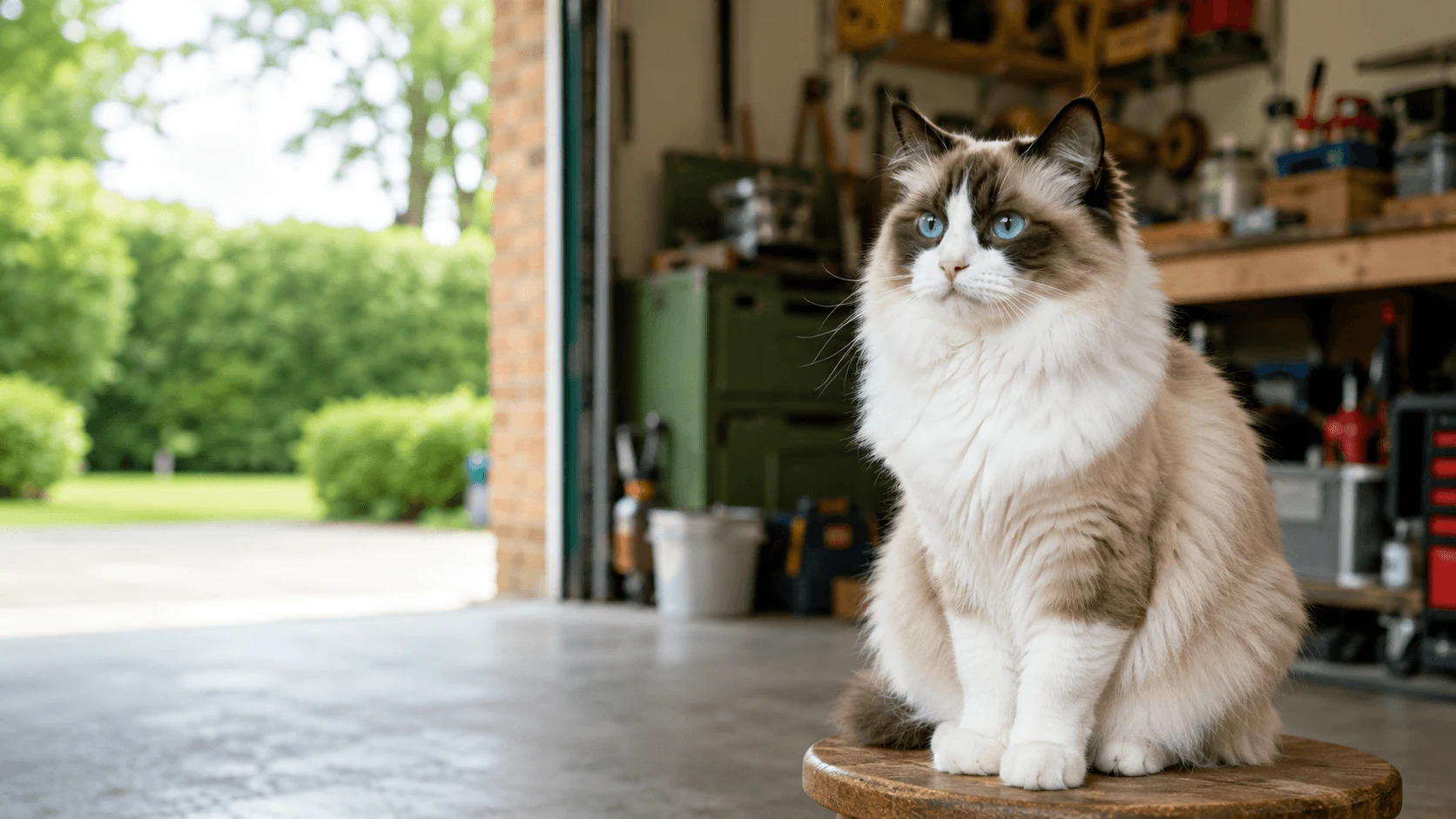
Ragdolls are docile, quiet and unusually tolerant. Many go limp when picked up, which is where the name comes from. They generally get on with children, dogs and other cats, and they tend to follow people from room to room rather than keeping to themselves.

They are not an independent breed. Ragdolls do poorly left alone for long stretches, and many owners keep two, or pair one with another sociable pet. They are also not street smart. Most are kept indoors, and free outdoor access is generally discouraged for the breed.

Kittens are livelier than the adult reputation suggests. Adults are calm rather than lazy, but the calmness is real.

A Ragdoll cat lying calmly indoors

DAY TO DAY

LIVING WITH A RAGDOLL

Grooming

The coat is semi-long but has little undercoat, so it mats less than it looks like it should. A weekly brush is usually enough, with more during spring and autumn shedding. Nails every three to four weeks. Teeth regularly, as with any cat.

Play

Moderately active. Twenty to thirty minutes of play a day keeps the weight off: wand toys, puzzle feeders, something to climb. They will not sprint round the house unprompted, which is precisely why the play matters.

Food

Measured portions of a good-quality food, adjusted for age and activity. Ragdolls have healthy appetites and gain weight easily. Fresh water always available, ideally away from the food bowl.

Training

Bright and biddable by cat standards. Many learn to fetch, to walk in a harness, or to come when called, with patience and treats. Litter training is usually straightforward.

BEFORE YOU BUY

BUYING OR ADOPTING A RAGDOLL

If you are buying from a breeder, ask for health screening certificates for both parents, HCM DNA test results in particular. A breeder who cannot produce them is one to walk away from. Look for registration with a recognised body such as the GCCF, and vaccination records.

Ragdolls and Ragdoll crosses do turn up in rescue, and breed-specific rescues exist. An adult cat from foster care comes with a known temperament and often a known health history, which is useful in both directions when you come to insure them.

Whichever route you take, whatever a vet has already seen or treated needs declaring when you take out a policy. An incomplete answer can affect a future claim.

COMMON QUESTIONS

WHAT RAGDOLL OWNERS ASK

It depends on the policy and on timing. If HCM has been diagnosed, or symptoms noted, before cover starts, it will normally be excluded as pre-existing. If it has not, some policies cover hereditary conditions and others exclude them for particular breeds. Check the exclusions on any policy you are considering.

EDITORIAL STANDARDS

HOW WE CHECK THIS GUIDE

Health information on this page draws on International Cat Care, Cats Protection, RVC VetCompass and the Governing Council of the Cat Fancy.

Written by
Yeti Compare editorial team

This guide is general information about the breed, not veterinary or financial advice. Cover, eligibility and exclusions vary between insurers. Always check the policy wording before buying.

Sources and references

KEEP READING

OTHER BREED GUIDES

Researching more than one breed? These guides follow the same format, so you can compare temperament, health and day to day needs side by side.

WHEN YOU ARE READY

SEE HOW OUR QUOTE SERVICE WILL WORK

Our quote service is not live yet while we onboard insurers. Book a demo to see how it will work.