
Yeti Compare

BRITISH SHORTHAIR BREED GUIDE

BRITISH SHORTHAIR: HEALTH EVIDENCE AND WHAT IT MEANS FOR COVER

Our quote service is not live yet while we onboard insurers. Book a demo to see how it will work.

GCCF states that around half of all kittens registered with it each year are British Shorthairs, making this the most popular pedigree cat in the UK. The breed's health story is a screening story: one condition with a DNA test, and one without. [1]

A breed predisposition does not mean your cat will develop the condition, and it does not tell you whether treatment would be covered.

A blue British Shorthair cat standing side on, showing the dense coat and round face

THE EVIDENCE IN BRIEF

THE BRITISH SHORTHAIR

This guide sets out the recognised health evidence for the British Shorthair from UK veterinary and breed health sources, and explains which policy terms are worth reading closely as a result. Individual cats vary, and a recognised predisposition does not mean an individual will be affected.

Evidence summary

Evidence strength
Moderate, screening led, GCCF breed health material
Main themes
Hypertrophic cardiomyopathy, polycystic kidney disease
Policy focus
Cardiology, hereditary wording, chronic renal limits
Reported longevity
GCCF describes 14 to 20 years

Figures are quoted with the study, sample and period they come from. Annual prevalence is not lifetime risk, and odds ratios are not probabilities.

RECOGNISED HEALTH CONSIDERATIONS

WHAT THE UK EVIDENCE SHOWS

There is no large UK prevalence study for this breed of the kind that exists for Persians. What is available is breed health guidance from GCCF, the UK pedigree cat registry, covering two inherited conditions and one practical husbandry point. Screening availability is not evidence that a condition is common. [1]

A British Shorthair kitten peering out from behind a curtain at a toy mouse

Hypertrophic cardiomyopathy (HCM)

Thickening of the heart muscle that can impair function and may require repeated echocardiography and medication. GCCF states that HCM can be a problem in the breed, and that no DNA test is currently available for HCM in British Shorthairs. Responsible breeders take measures to ensure affected animals are not used in breeding programmes. We do not publish a prevalence figure for the breed, because robust UK data is not available. [1]
Polycystic kidney disease (PKD)

An inherited condition in which cysts form in the kidneys and enlarge over time. GCCF describes PKD as once a problem within the breed but now under control, thanks to widespread use of the available DNA test by responsible breeders. The breed's PKD risk derives from historical outcrossing to Persians. [1]

Weight and a slow metabolism

GCCF notes that the breed has a slow metabolism and is slow to mature, and that owners need to be careful the naturally well padded build does not become excess fat. This is husbandry rather than a disease claim, and weight management is not insured treatment. [1]

This is general breed information rather than a diagnosis. Speak to a vet about symptoms or concerns affecting an individual cat.

POLICY TERMS THAT MATTER

WHAT THIS MEANS FOR PET INSURANCE

A breed predisposition does not mean your cat will develop a condition, and it does not tell you whether treatment would be covered. Cover depends on the individual policy, its exclusions and limits, when signs or symptoms first appeared, and your pet's medical history.

These are the terms worth reading closely if you are arranging or comparing cover for a British Shorthair. Wording varies between providers, so check the policy documents rather than assuming any of them applies.

Specialist cardiology and echocardiography

Where a heart condition is suspected, diagnosis normally means a scan by a specialist, and monitoring means repeating it. Check referral cover and any separate diagnostic limit.

Chronic medication and renewal continuation

Cardiac and renal conditions are managed over years, so check whether treatment continues at renewal and how limits apply across policy years.

Hereditary and congenital wording

Inherited conditions are never automatically covered. Check whether they are included, excluded or limited, and read that alongside the pre-existing definition.

Pre-existing murmur, abnormal blood results or previous imaging

A murmur noted at a routine appointment, or an earlier scan, may be relevant to an insurer's assessment depending on the definition the policy uses.

Chronic renal condition limits

Kidney disease involves monitoring and repeated testing rather than a single treatment, so the way annual limits reset matters more than a headline feature.

Prescription diet exclusions

Renal cases often involve a prescribed diet, and many policies exclude food even when a vet has prescribed it.

For what hereditary, congenital, pre-existing, related and bilateral actually mean, see our guide to how breed affects pet insurance.

Health screening tells you what breeders monitor. A genetic test result alone does not establish whether a future condition will be covered. Answer the insurer's health questions accurately and check how its terms apply. This is general information, not a personal recommendation.

BREEDING HEALTH INFORMATION

HEALTH SCREENING

GCCF registered breeders screen for PKD by DNA test. Cardiac screening for HCM is by echocardiography rather than DNA test, because no DNA test exists for this breed. A screening result alone does not establish whether a future condition will be covered. Check how the insurer's questions and terms apply. [1]

Screening availability is breeding health information. It is not evidence that a condition is common, and no screening result guarantees insurance cover.

COMMON QUESTIONS

FREQUENTLY ASKED QUESTIONS

No. GCCF states that no DNA test is currently available for HCM in this breed. Cardiac screening is by echocardiography instead.

EDITORIAL STANDARDS

HOW WE CHECK THIS GUIDE

Health content is written from UK veterinary research and official breed health sources, and every figure keeps the study, sample and period it came from. Insurance content explains policy terms only: it does not recommend a cover type, quote a price or make any claim about eligibility.

Content type
Breed health and insurance terms guide
Scope
General information, not a personal recommendation
Ownership content
Temperament, exercise, grooming and buying guidance are being written separately

Cover can vary by provider. Final prices may change on the provider website, and you should check the policy documents before buying.

Sources

KEEP READING

OTHER BREED GUIDES

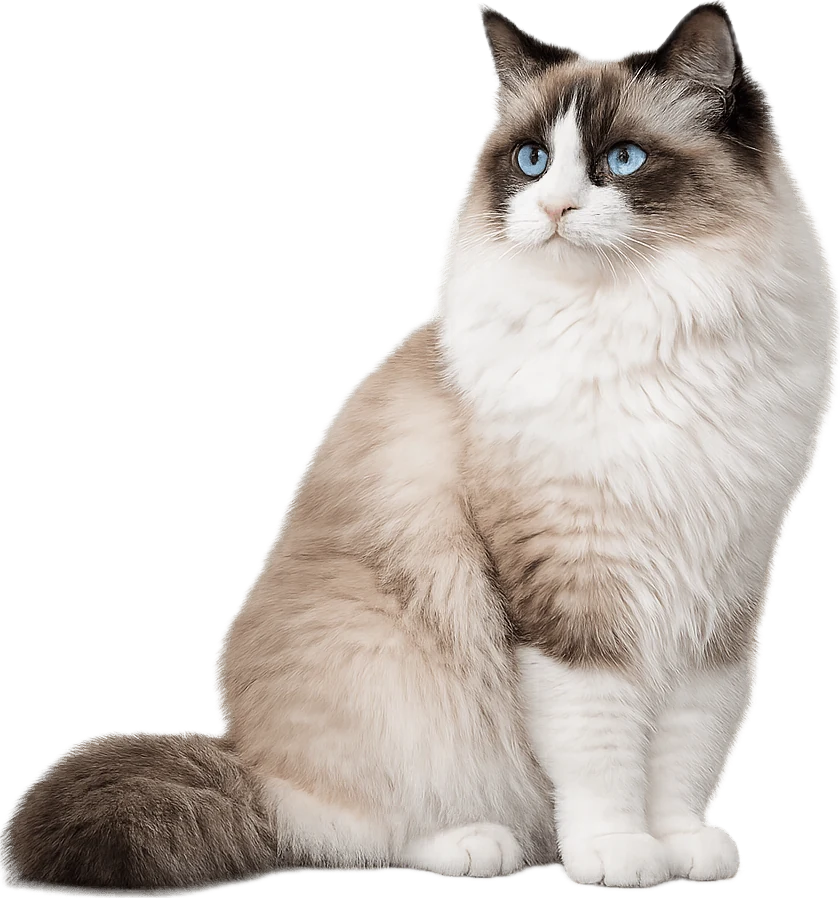
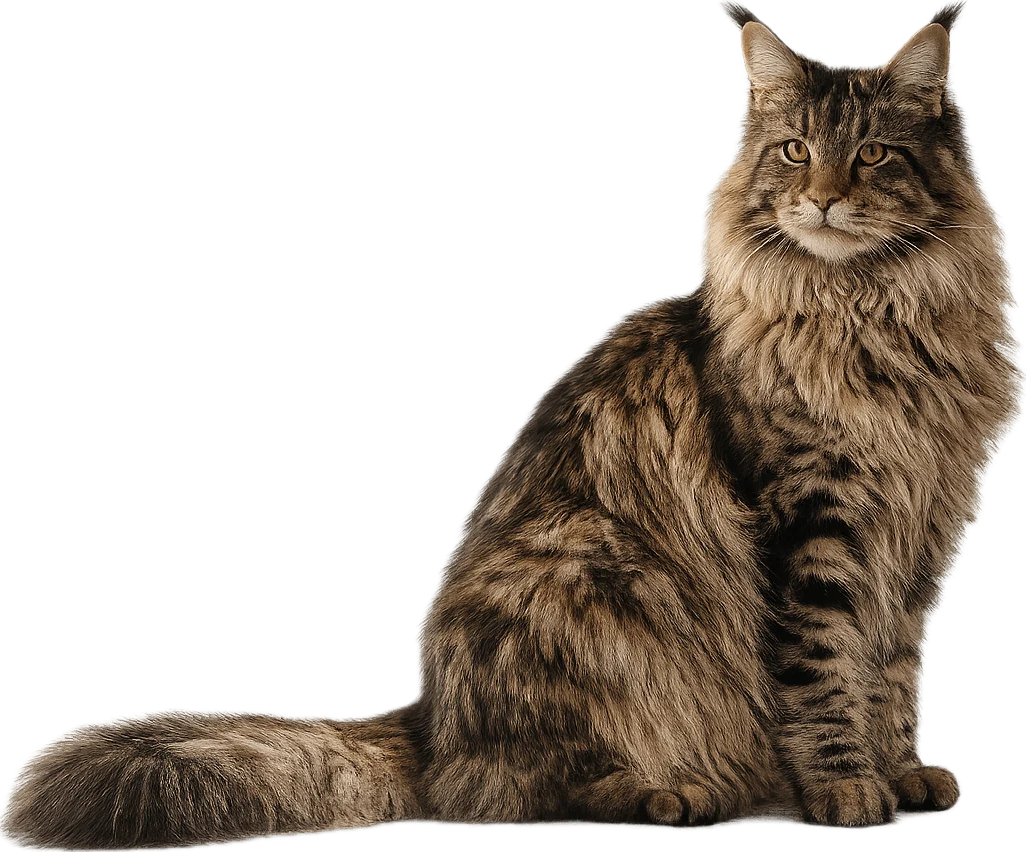
Researching more than one breed? These guides follow the same format, so you can compare temperament, health and day to day needs side by side.

WHEN YOU ARE READY

SEE HOW OUR QUOTE SERVICE WILL WORK

Our quote service is not live yet while we onboard insurers. Book a demo to see how it will work.