
1. Primary lens luxation
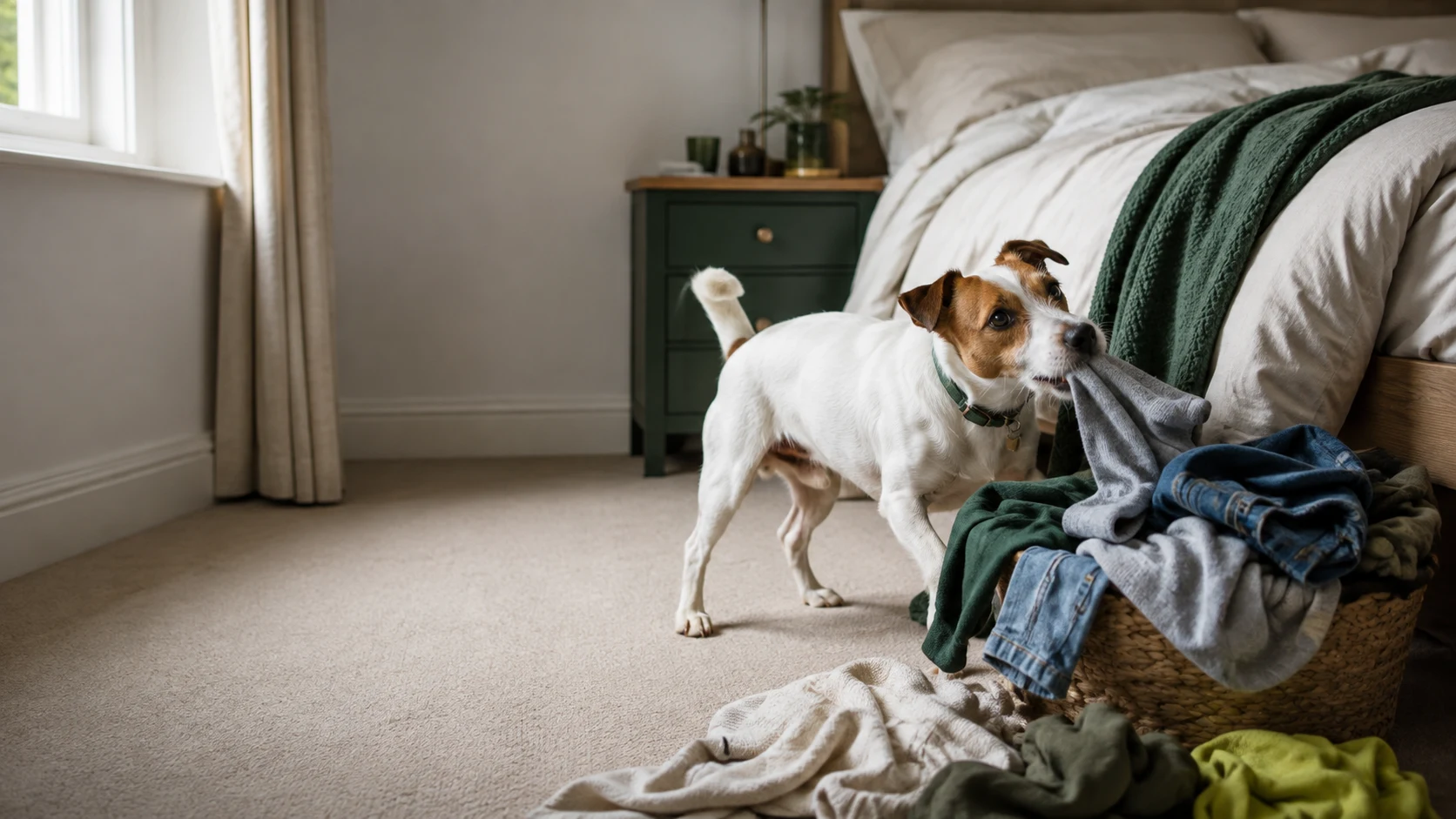
Primary lens luxation occurs when the fibres holding the eye's lens in place weaken or break, allowing the lens to move. It can cause pain, inflammation, glaucoma and sight loss and may require urgent veterinary attention. [7] The Royal Kennel Club Health Standard lists DNA testing for primary lens luxation as Good Practice for Jack Russell breeding dogs, and research identified an ADAMTS17 mutation associated with the condition in Jack Russell Terriers and other breeds. [4][7] Signs an owner might notice include a red or painful eye, cloudiness or a change in pupil appearance, squinting, tearing or rubbing, and sudden difficulty seeing or bumping into objects. A vet examines the eye and may measure pressure or refer to a veterinary ophthalmologist, because a displaced lens and raised pressure can be time-sensitive. Management depends on lens position, eye pressure, pain and remaining vision, and may involve medication, surgery or both. DNA testing identifies the known mutation and helps breeders avoid producing genetically affected combinations, but it does not test for every cause of lens movement and mutation status does not explain every case. A clear DNA result is not a complete eye-health guarantee. [7]