Yeti Compare

BURMESE BREED GUIDE

BURMESE: HEALTH EVIDENCE AND WHAT IT MEANS FOR COVER

Our quote service is not live yet while we onboard insurers. Book a demo to see how it will work.

Burmese cats have higher recorded odds of diabetes than crossbred cats, and an inherited condition with a DNA test. Both point at the same handful of policy terms: chronic condition limits, long term medication and how ongoing treatment continues at renewal. [1] [2]

A breed predisposition does not mean your cat will develop the condition, and it does not tell you whether treatment would be covered.

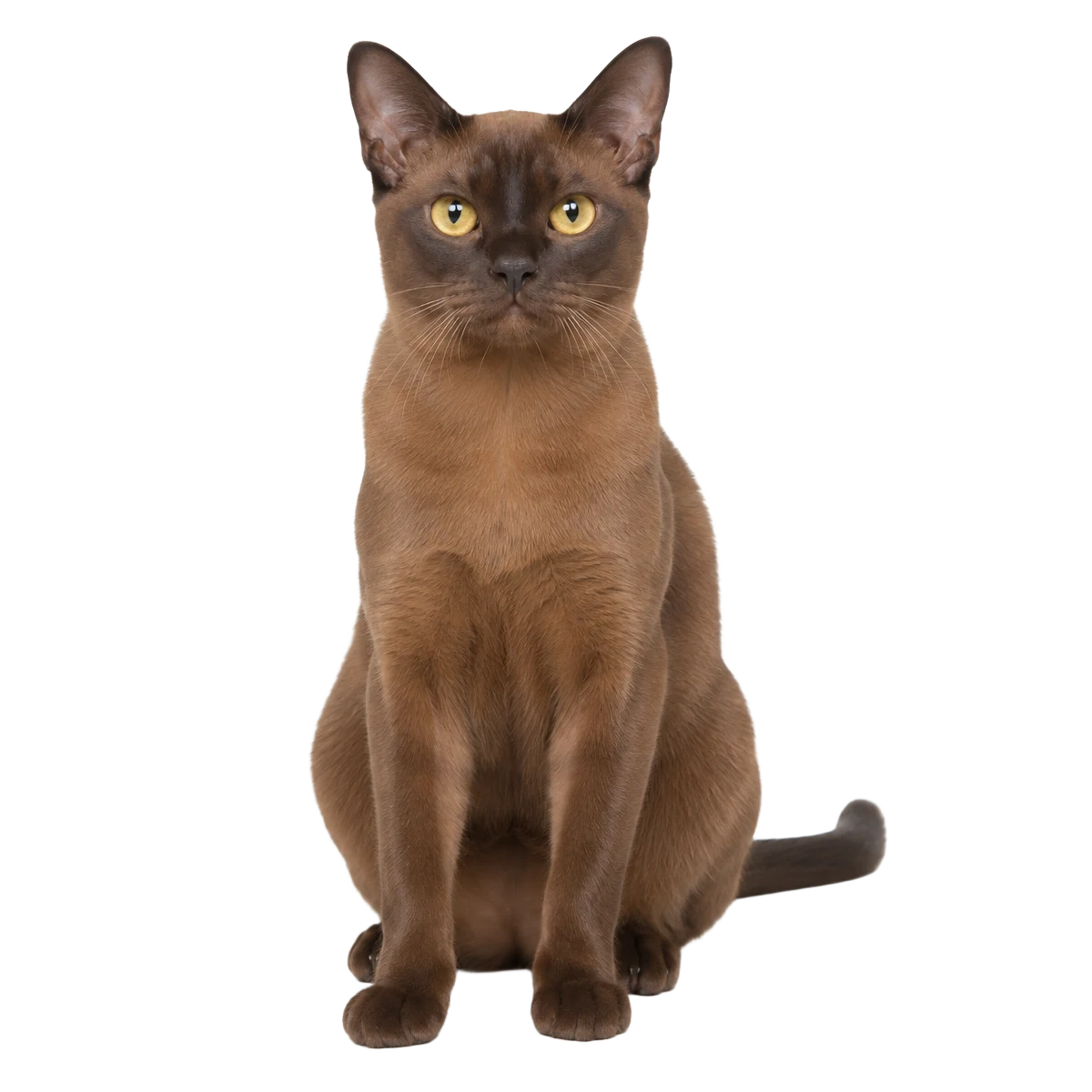
A brown Burmese cat sitting and facing the camera

THE EVIDENCE IN BRIEF

THE BURMESE

This guide sets out the recognised health evidence for the Burmese from UK veterinary and breed health sources, and explains which policy terms are worth reading closely as a result. Individual cats vary, and a recognised predisposition does not mean an individual will be affected.

Evidence summary

Evidence strength
Strong UK primary care evidence plus breed health material
Main themes
Diabetes mellitus, hypokalaemic polymyopathy
Policy focus
Chronic cover, medication, monitoring, diet exclusions

Figures are quoted with the study, sample and period they come from. Annual prevalence is not lifetime risk, and odds ratios are not probabilities.

RECOGNISED HEALTH CONSIDERATIONS

WHAT THE UK EVIDENCE SHOWS

The figures below come from UK veterinary data and breed health material. Odds ratios compare groups and are not probabilities for an individual cat.

Diabetes mellitus

A chronic disease in which blood glucose is not controlled properly, often requiring daily insulin and repeated monitoring. In a large UK VetCompass analysis of 2019 data published in 2025, Burmese cats had 2.07 times the odds of diabetes versus crossbred cats (95% confidence interval 1.29 to 3.31). Overall feline annual prevalence was 0.39%. Higher odds are not the same as twice as many cats being affected. [1]
Hypokalaemic polymyopathy

An inherited condition causing low blood potassium and episodes of muscle weakness. GCCF Burmese health material identifies it as an autosomal recessive inherited condition for which a DNA test exists. [2]

This is general breed information rather than a diagnosis. Speak to a vet about symptoms or concerns affecting an individual cat.

POLICY TERMS THAT MATTER

WHAT THIS MEANS FOR PET INSURANCE

A breed predisposition does not mean your cat will develop a condition, and it does not tell you whether treatment would be covered. Cover depends on the individual policy, its exclusions and limits, when signs or symptoms first appeared, and your pet's medical history.

These are the terms worth reading closely if you are arranging or comparing cover for a Burmese. Wording varies between providers, so check the policy documents rather than assuming any of them applies.

Chronic condition limits and renewal continuation

Diabetes is managed for life, so the question is whether treatment continues at each renewal and how the limit applies across policy years.

Long term medication

Insulin and related medication form a recurring cost, so check that ongoing prescriptions are covered rather than only initial treatment.

Repeated monitoring and blood tests

Stabilising and reviewing a diabetic cat involves regular blood and urine testing, which some policies treat separately from treatment.

Prescription diet exclusions

Prescription diets are commonly excluded, so do not assume dietary management is insured. Check the wording.

Hereditary and congenital wording

An inherited condition is never automatically covered. Read how the policy defines hereditary and congenital conditions and what limits apply.

Pre-existing weakness or abnormal results

Earlier notes of weakness, collapse episodes or abnormal blood results may be relevant to an insurer's assessment, depending on the policy definition.

For what hereditary, congenital, pre-existing, related and bilateral actually mean, see our guide to how breed affects pet insurance.

Health screening tells you what breeders monitor. A genetic test result alone does not establish whether a future condition will be covered. Answer the insurer's health questions accurately and check how its terms apply. This is general information, not a personal recommendation.

BREEDING HEALTH INFORMATION

HEALTH SCREENING

GCCF material for the breed identifies a DNA test for hypokalaemic polymyopathy. This is breeding health information. [2]

Screening availability is breeding health information. It is not evidence that a condition is common, and no screening result guarantees insurance cover.

COMMON QUESTIONS

FREQUENTLY ASKED QUESTIONS

Burmese cats had 2.07 times the odds of diabetes versus crossbred cats in a large UK analysis, against an overall feline annual prevalence of 0.39%. Higher odds describe a population comparison, not an individual cat, and most Burmese cats are not diabetic.

EDITORIAL STANDARDS

HOW WE CHECK THIS GUIDE

Health content is written from UK veterinary research and official breed health sources, and every figure keeps the study, sample and period it came from. Insurance content explains policy terms only: it does not recommend a cover type, quote a price or make any claim about eligibility.

Content type
Breed health and insurance terms guide
Scope
General information, not a personal recommendation
Ownership content
Temperament, exercise, grooming and buying guidance are being written separately

Cover can vary by provider. Final prices may change on the provider website, and you should check the policy documents before buying.

Sources

KEEP READING

OTHER BREED GUIDES

Researching more than one breed? These guides follow the same format, so you can compare temperament, health and day to day needs side by side.

WHEN YOU ARE READY

SEE HOW OUR QUOTE SERVICE WILL WORK

Our quote service is not live yet while we onboard insurers. Book a demo to see how it will work.