
Yeti Compare

SCOTTISH FOLD BREED GUIDE

SCOTTISH FOLD: HEALTH EVIDENCE AND WHAT IT MEANS FOR COVER

Our quote service is not live yet while we onboard insurers. Book a demo to see how it will work.

UK welfare organisations advise against breeding or acquiring folded ear cats, because the variant that folds the ears also affects cartilage and bone. This page is written for people who already live with a Scottish Fold. [1] [2]

A breed predisposition does not mean your cat will develop the condition, and it does not tell you whether treatment would be covered.

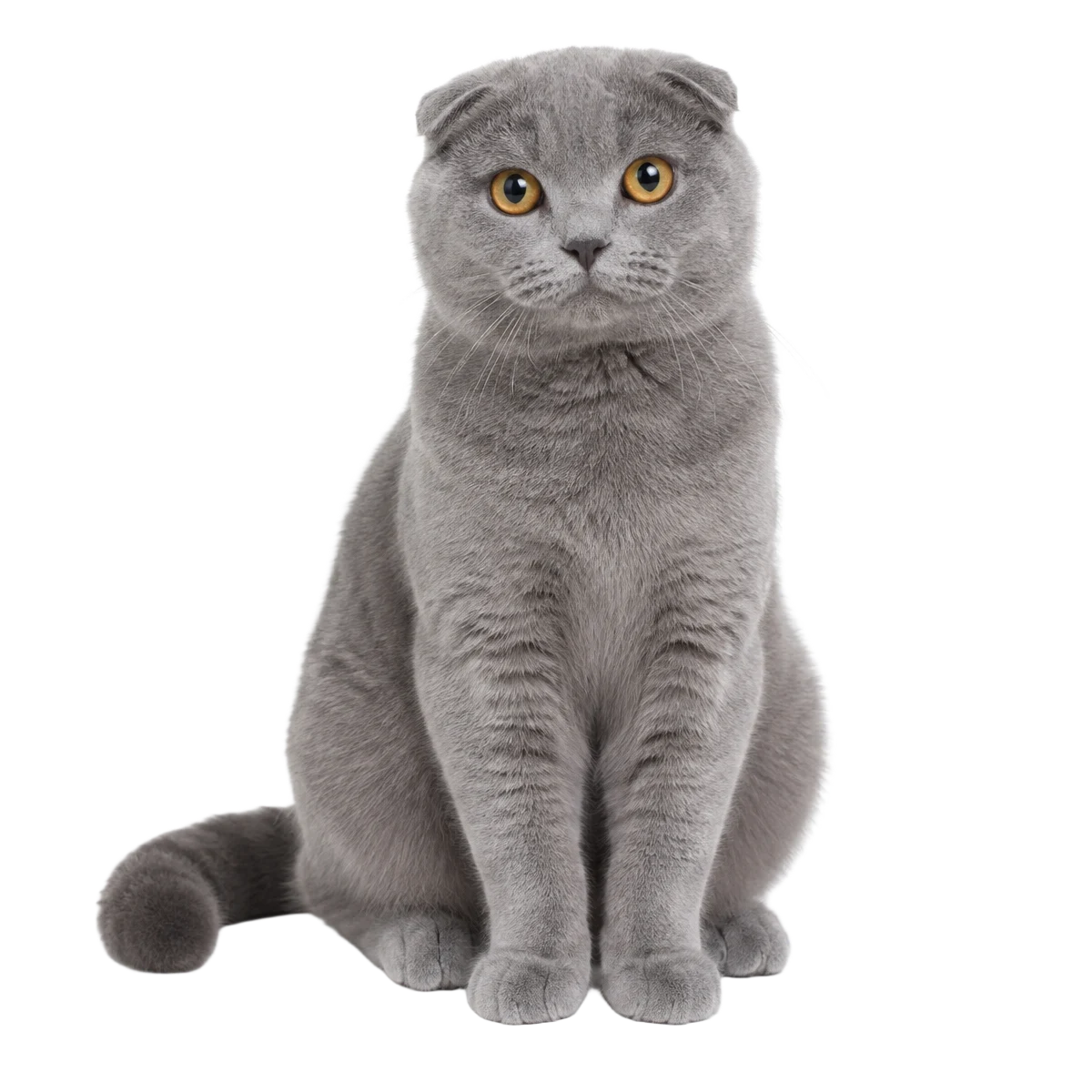
A Scottish Fold cat sitting and facing the camera

THE EVIDENCE IN BRIEF

THE SCOTTISH FOLD

This guide sets out the recognised health evidence for the Scottish Fold from UK veterinary and breed health sources, and explains which policy terms are worth reading closely as a result. Individual cats vary, and a recognised predisposition does not mean an individual will be affected.

Evidence summary

Evidence strength
Strong welfare evidence, limited prevalence quantification
Main theme
Osteochondrodysplasia linked to the folded ear variant
Policy focus
Hereditary wording, chronic pain, imaging, referral

Figures are quoted with the study, sample and period they come from. Annual prevalence is not lifetime risk, and odds ratios are not probabilities.

READ THIS FIRST

THE FOLDED EAR TRAIT AND WELFARE

Scottish Folds have folded ears because of a genetic variant that affects cartilage. The same variant is associated with osteochondrodysplasia, a disorder affecting cartilage, bone and joints. Clinical severity varies, and signs may become more obvious at different ages, but UK welfare organisations including Cats Protection and the GCCF advise against breeding or acquiring folded ear cats because the trait itself is linked to welfare problems.

If you already share your home with a Scottish Fold, this page is intended to help you understand insurance terms that may matter when arranging veterinary cover. Check how a policy treats hereditary and congenital conditions, pre-existing signs or symptoms, chronic musculoskeletal treatment, diagnostic imaging, pain management and specialist referral. A genetic or breed related condition is not automatically covered: the individual policy wording, exclusions, limits, waiting periods and your cat's medical history all matter.

Previous stiffness, lameness, reluctance to jump or veterinary investigation may be relevant to a pre-existing condition assessment, depending on the policy. If you are concerned that your cat may be uncomfortable or in pain, contact your vet.

RECOGNISED HEALTH CONSIDERATIONS

WHAT THE UK EVIDENCE SHOWS

There is strong welfare evidence about the folded ear variant, and limited UK prevalence quantification. We set out what the welfare organisations say rather than estimating figures.

Osteochondrodysplasia

A genetic disorder of cartilage and bone linked to the same variant that creates the folded ears. It can cause abnormal joints, stiffness, arthritis, pain and reduced mobility. Cats Protection states that the fold causing mutation affects cartilage and is linked to osteochondrodysplasia, with radiographic changes reported from young ages. The GCCF does not recognise the breed, because the folded ear gene also causes skeletal abnormalities, and advises the public not to acquire it. Severity varies between individual cats. [1] [2]
This is general breed information rather than a diagnosis. Speak to a vet about symptoms or concerns affecting an individual cat.

POLICY TERMS THAT MATTER

WHAT THIS MEANS FOR PET INSURANCE

A breed predisposition does not mean your cat will develop a condition, and it does not tell you whether treatment would be covered. Cover depends on the individual policy, its exclusions and limits, when signs or symptoms first appeared, and your pet's medical history.

These are the terms worth reading closely if you are arranging or comparing cover for a Scottish Fold. Wording varies between providers, so check the policy documents rather than assuming any of them applies.

Hereditary and congenital wording

A genetic or breed related condition is not automatically covered. Read how the policy defines hereditary and congenital conditions and what exclusions apply.

Pre-existing signs such as stiffness or lameness

Earlier notes of stiffness, lameness, reluctance to jump or previous imaging may be relevant to an insurer's assessment, depending on the definition used.

Chronic musculoskeletal and pain medication

Joint pain is managed over years rather than resolved, so check whether ongoing medication continues at each renewal.

Diagnostic imaging and specialist orthopaedic referral

Assessment often involves radiographs and sometimes referral, which some policies limit separately from treatment.

Related condition definitions

Connected skeletal and joint problems may be treated as one condition, which changes how the remaining limit applies.

Provider breed eligibility

Check the individual provider's terms rather than assuming any breed is or is not accepted. Eligibility is a matter for the policy documents.

For what hereditary, congenital, pre-existing, related and bilateral actually mean, see our guide to how breed affects pet insurance.

Health screening tells you what breeders monitor. A genetic test result alone does not establish whether a future condition will be covered. Answer the insurer's health questions accurately and check how its terms apply. This is general information, not a personal recommendation.

BREEDING HEALTH INFORMATION

HEALTH SCREENING

There is no GCCF recognised Scottish Fold breeding programme, because the GCCF does not recognise the breed. Genetic testing does not make breeding the folded ear trait welfare neutral, and we do not present it as a solution. [2]

Screening availability is breeding health information. It is not evidence that a condition is common, and no screening result guarantees insurance cover.

COMMON QUESTIONS

FREQUENTLY ASKED QUESTIONS

The variant that folds the ears affects cartilage throughout the body and is associated with osteochondrodysplasia, which can cause abnormal joints, stiffness, arthritis and pain. Cats Protection and the GCCF therefore advise against breeding or acquiring folded ear cats.

EDITORIAL STANDARDS

HOW WE CHECK THIS GUIDE

Health content is written from UK veterinary research and official breed health sources, and every figure keeps the study, sample and period it came from. Insurance content explains policy terms only: it does not recommend a cover type, quote a price or make any claim about eligibility.

Content type
Breed health and insurance terms guide
Scope
General information, not a personal recommendation
Ownership content
Temperament, exercise, grooming and buying guidance are being written separately

Cover can vary by provider. Final prices may change on the provider website, and you should check the policy documents before buying.

Sources

KEEP READING

OTHER BREED GUIDES

Researching more than one breed? These guides follow the same format, so you can compare temperament, health and day to day needs side by side.

WHEN YOU ARE READY

SEE HOW OUR QUOTE SERVICE WILL WORK

Our quote service is not live yet while we onboard insurers. Book a demo to see how it will work.