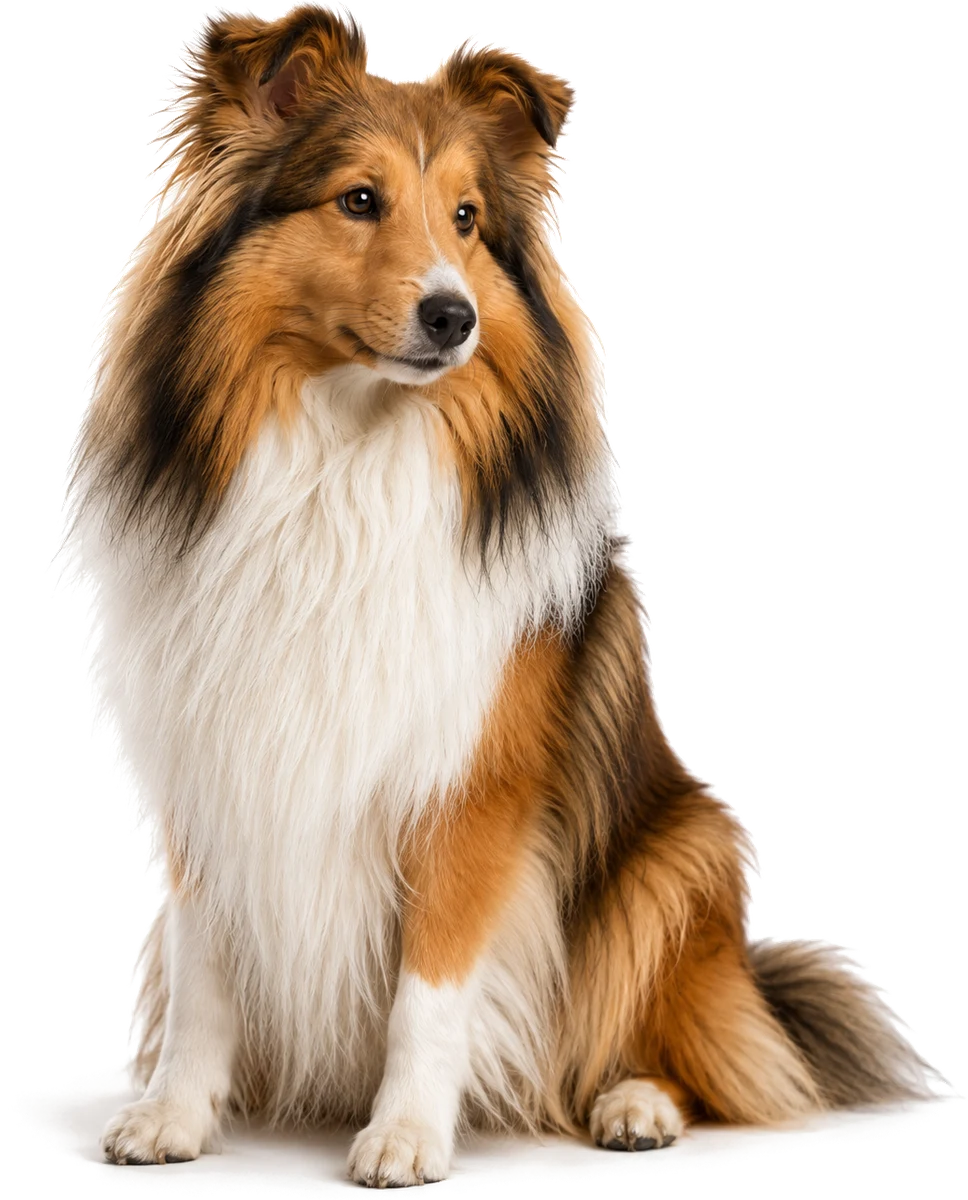
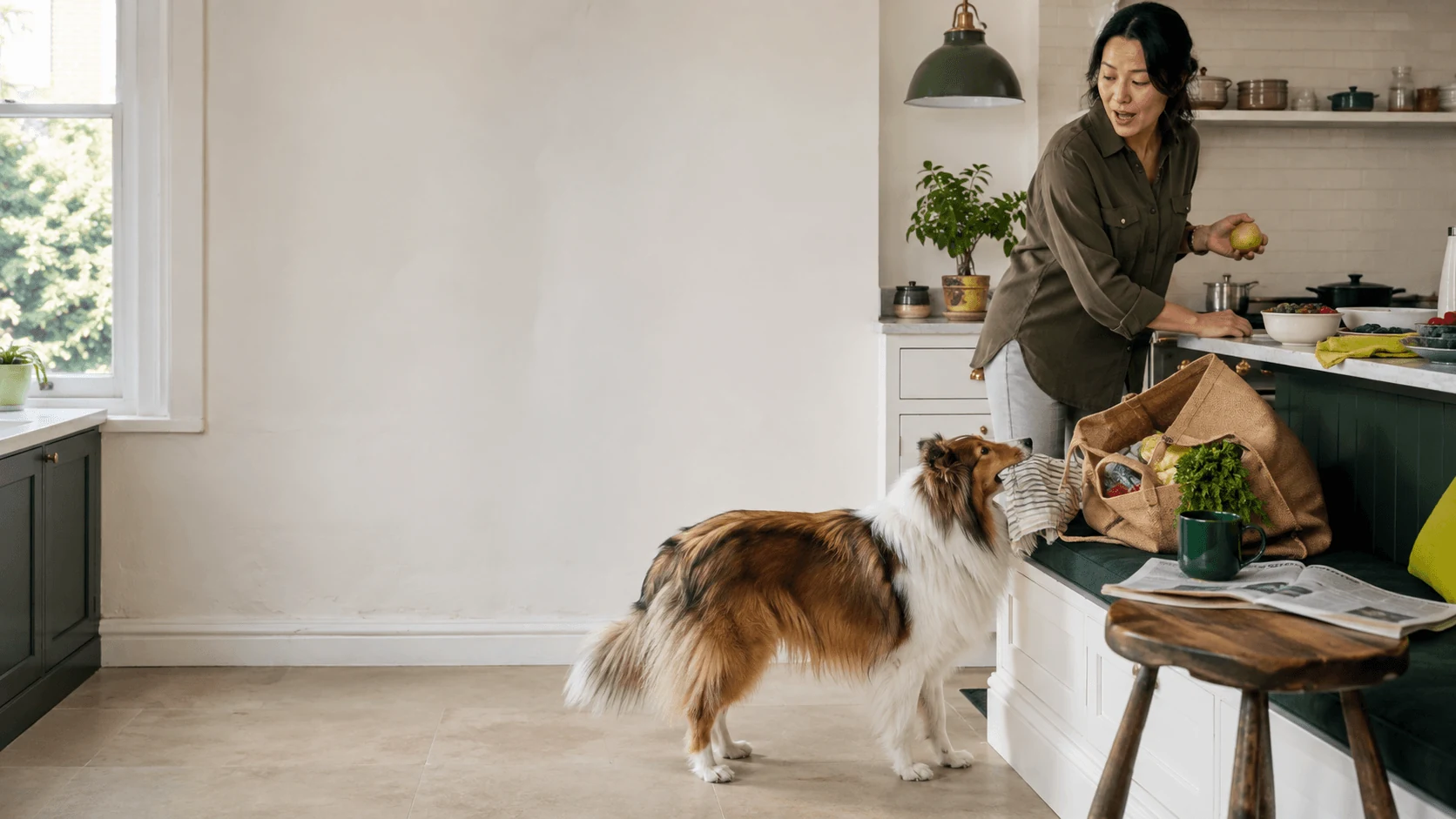
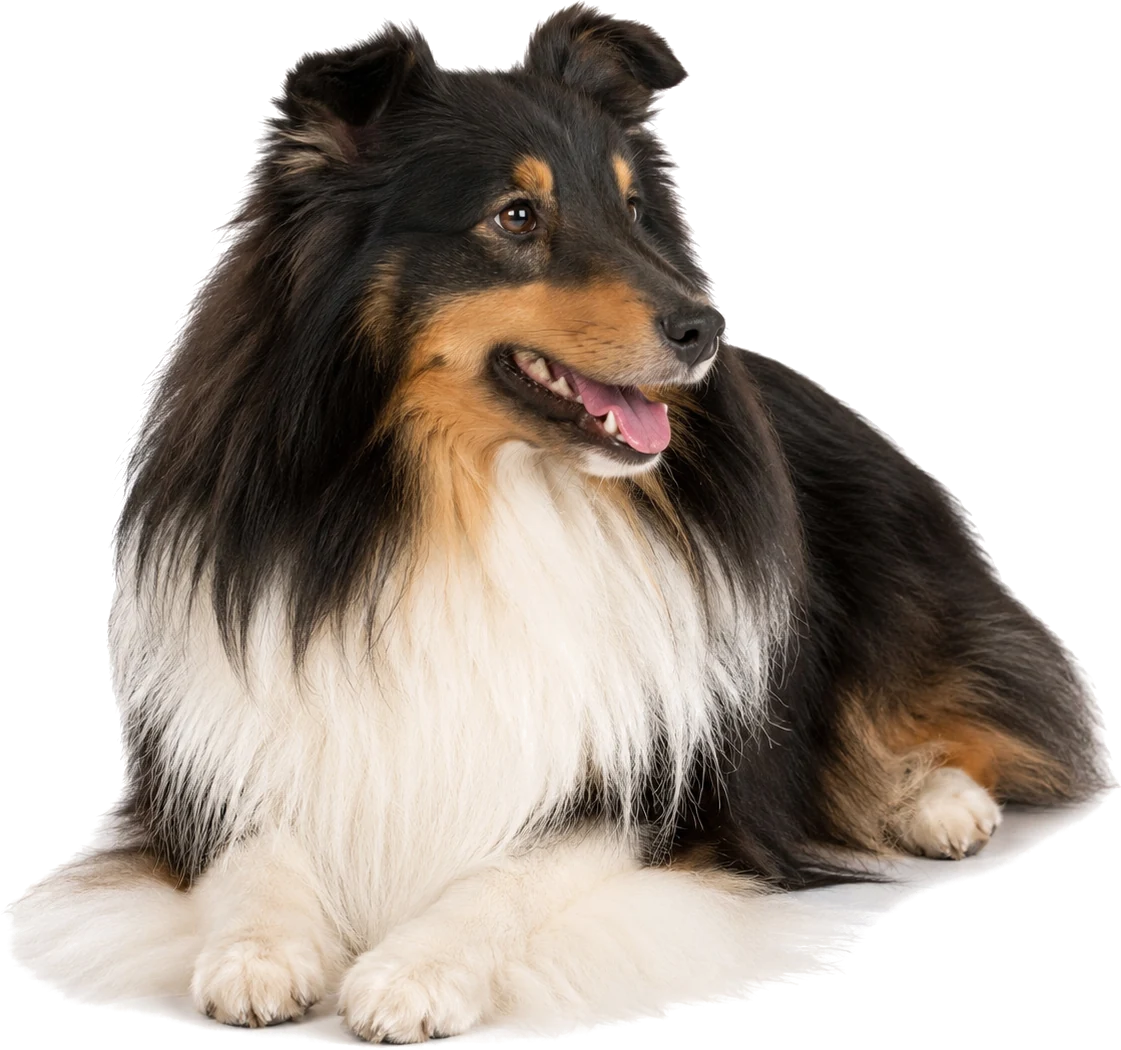
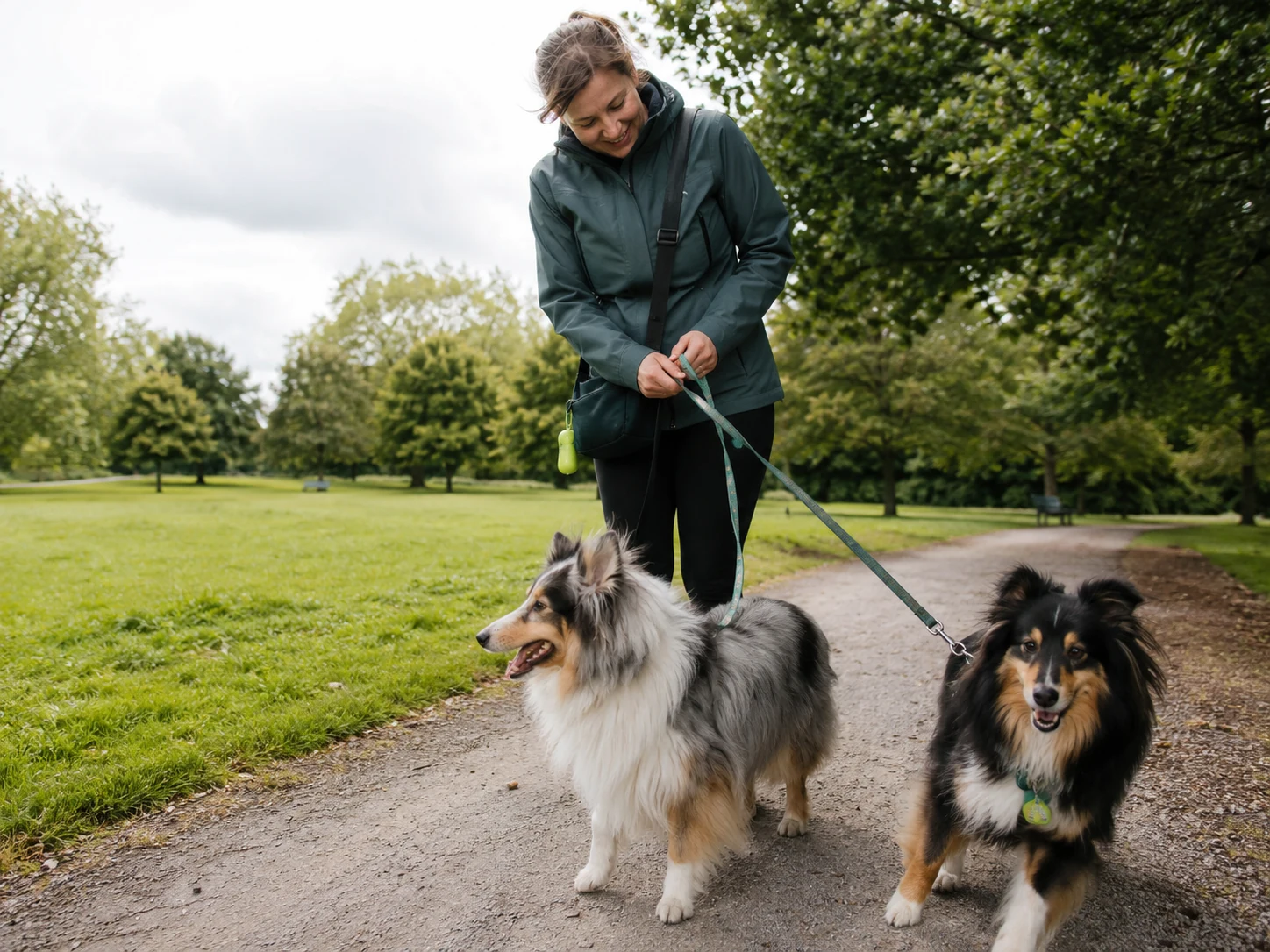
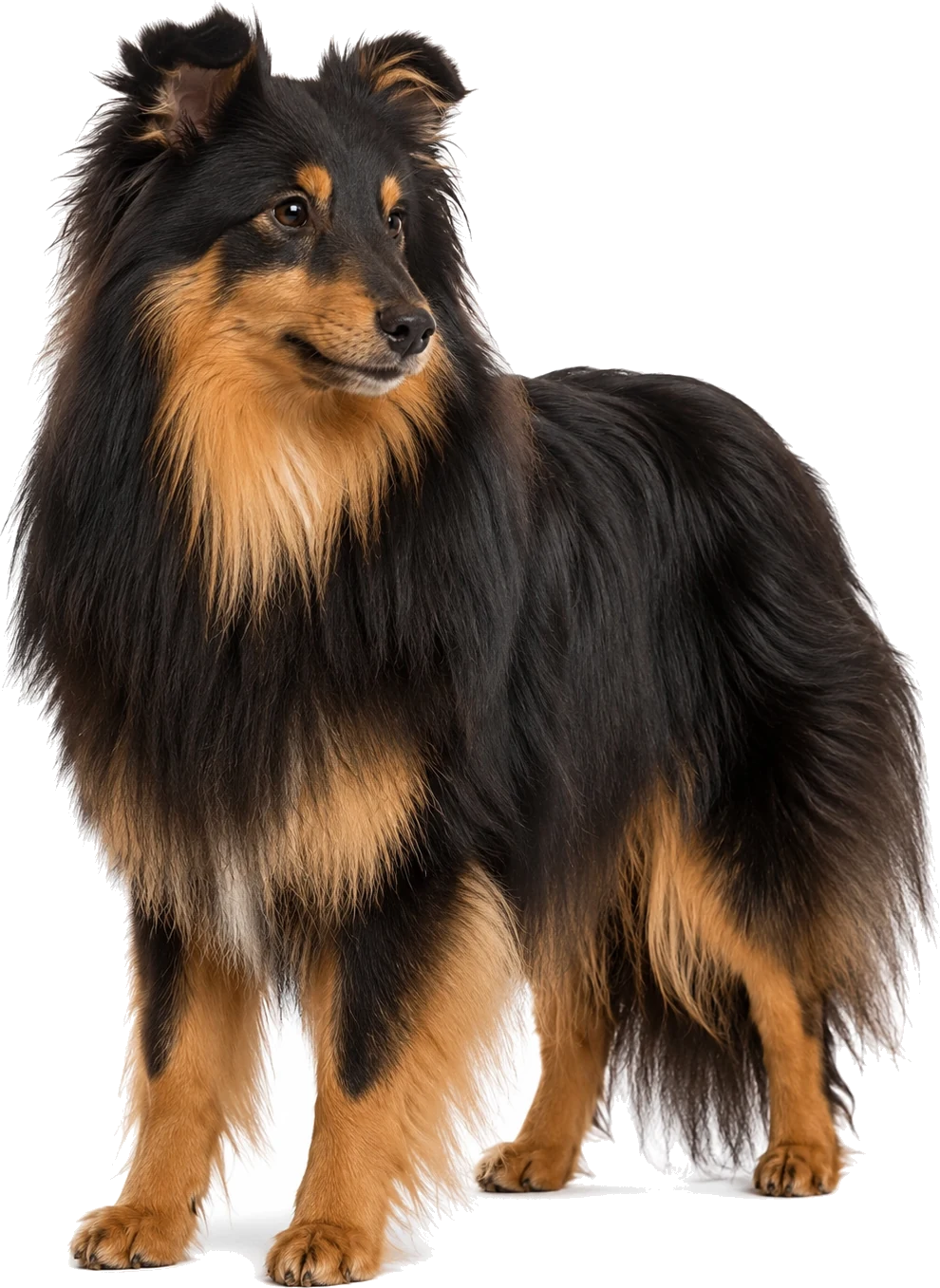
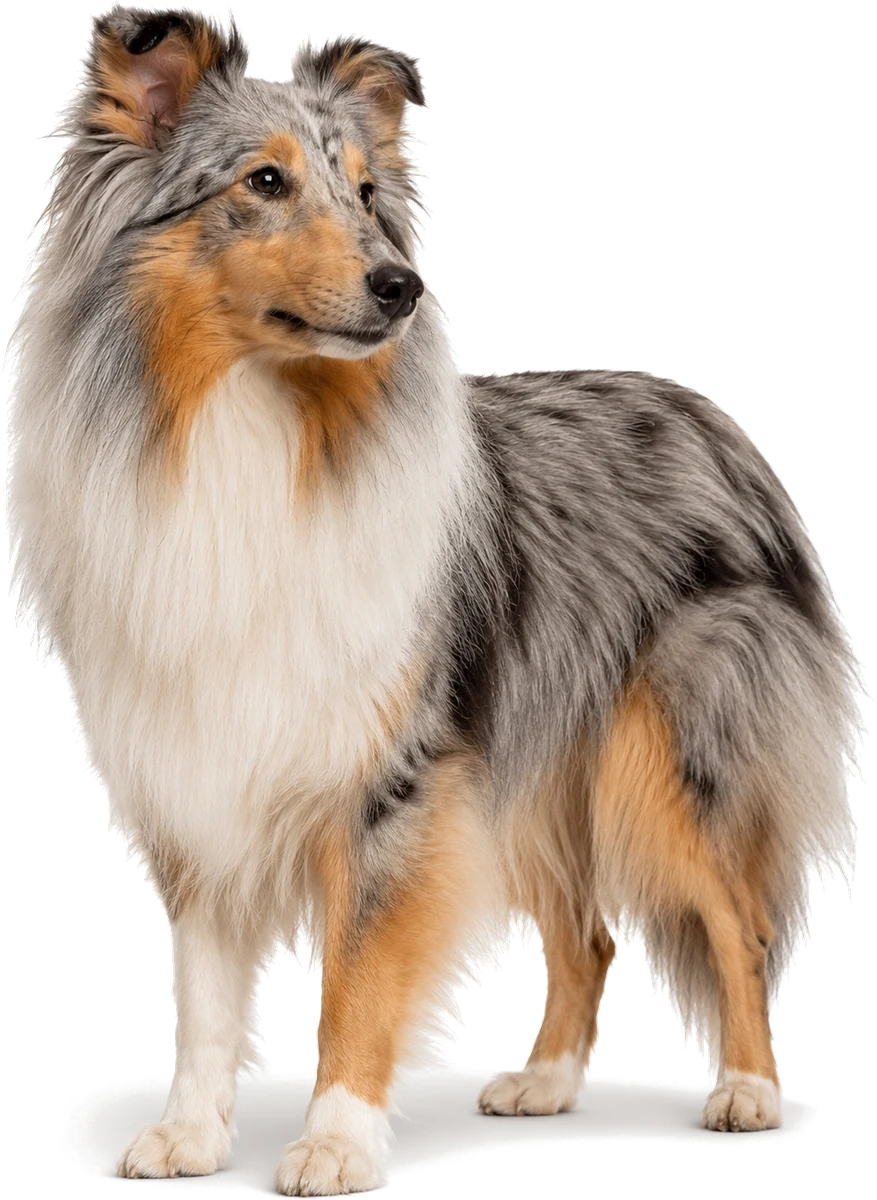
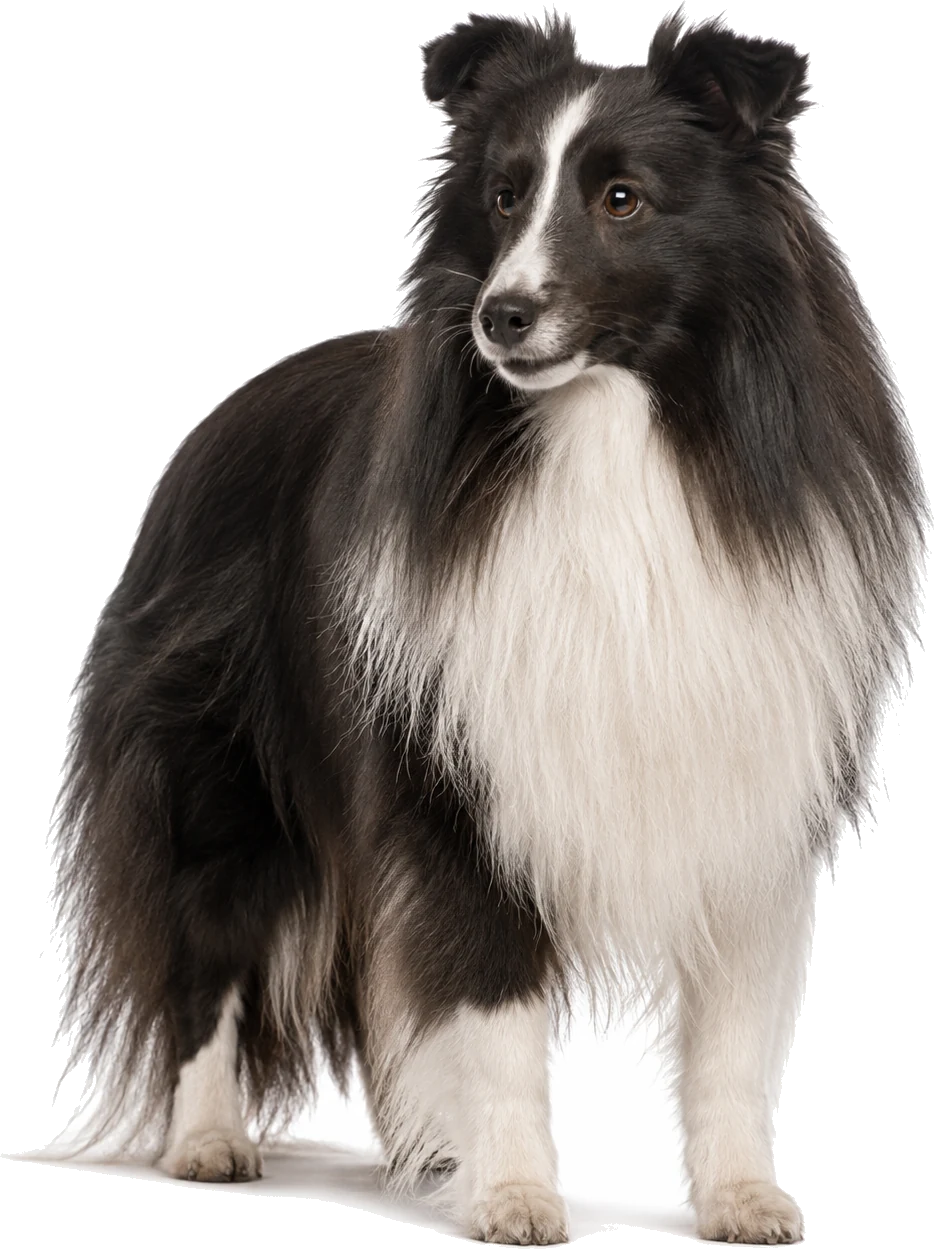
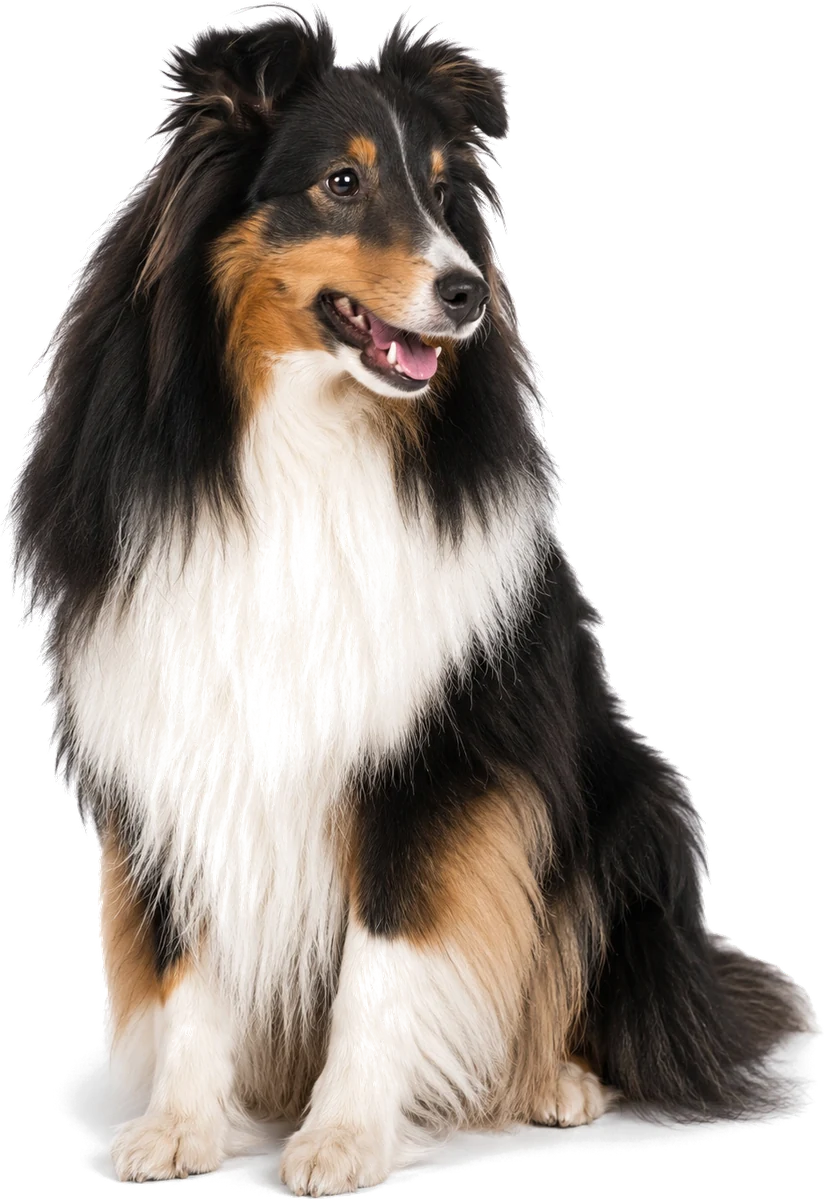
The breed standard calls for an alert, gentle, intelligent, strong and active dog that is affectionate and responsive to its owner while reserved towards strangers. A standard is normative: it describes what breeders and judges are trying to produce, so it cannot establish that every Sheltie behaves the same way. [2]
This supports describing the breed as typically attentive to familiar people and capable of close handler engagement. It does not support claims that Shelties are always obedient, universally sociable or automatically straightforward for first-time owners. [2]
Empirical behavioural evidence adds an important caution. In a Finnish owner-survey analysis involving 5,973 dogs in the fear-of-dogs model and 5,932 in the fear-of-strangers model, Shetland Sheepdogs were among the breeds with the highest probabilities of reported social fearfulness. Poorer early socialisation, more urban surroundings and less frequent participation in activities or training were also associated with fearfulness, and the strongest association with fear of strangers was the puppy socialisation score. [6] [7]
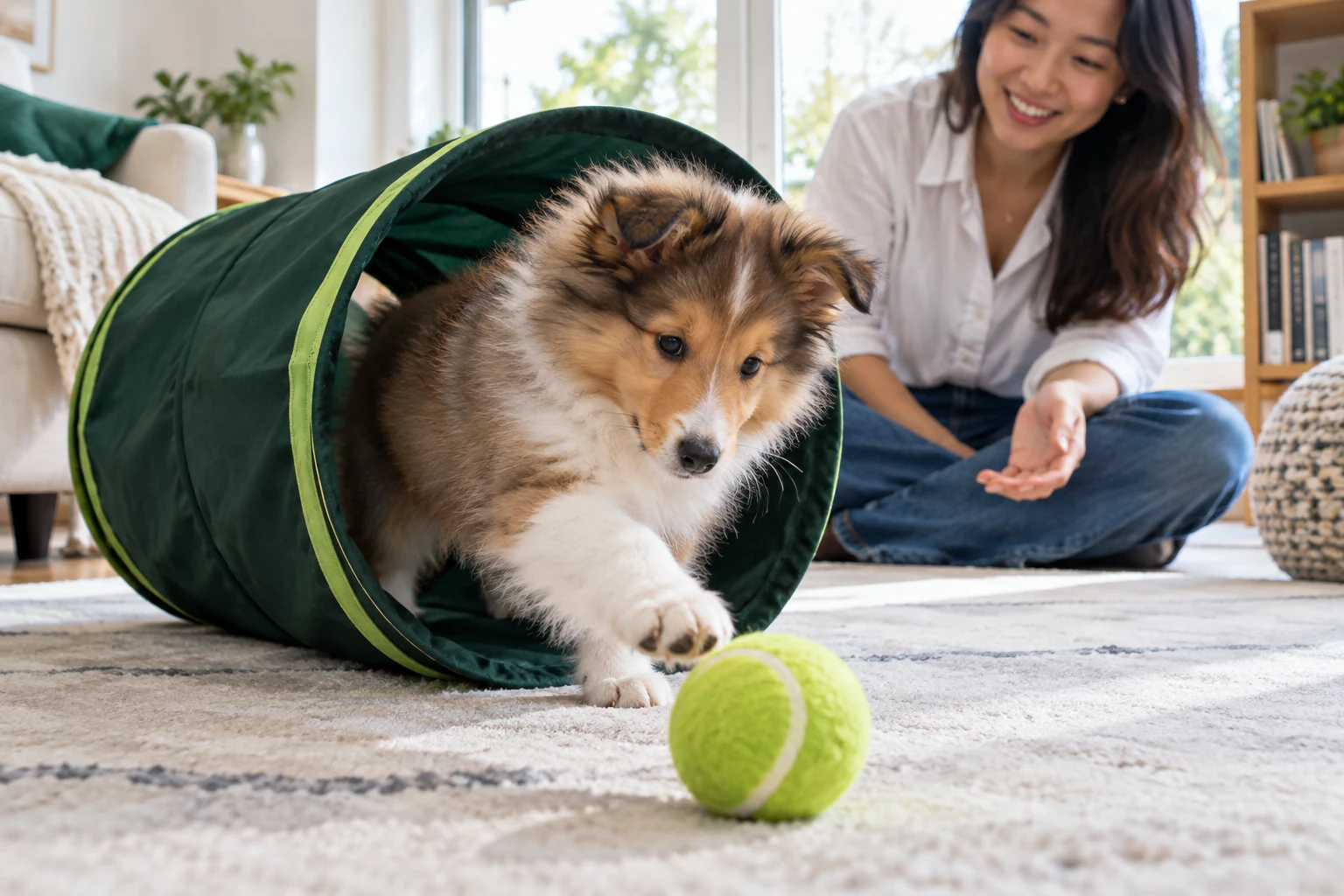
That research should not be turned into the claim that Shelties are fearful. It involved Finnish dogs, owner-reported behaviour and breed comparisons within a selected survey population. It does suggest that confidence-building socialisation, gradual exposure and avoiding harsh handling matter particularly for this breed. [2] [7]
The honest synthesis is that many Shelties are responsive and highly engaged with their household, while some individuals are cautious, environmentally sensitive or prone to fearfulness. Neither friendliness nor fearfulness should be treated as inevitable. [2] [6]