Yeti Compare

LABRADOR BREED GUIDE

IS A LABRADOR RIGHT FOR YOUR FAMILY?

Our quote service is not live yet while we onboard insurers. Book a demo to see how it will work.

Labradors are sociable, energetic gundogs that usually thrive on company, training and regular activity. They can make rewarding family dogs, but their size, enthusiasm, exercise needs and tendency to gain weight are important to understand before bringing one home.

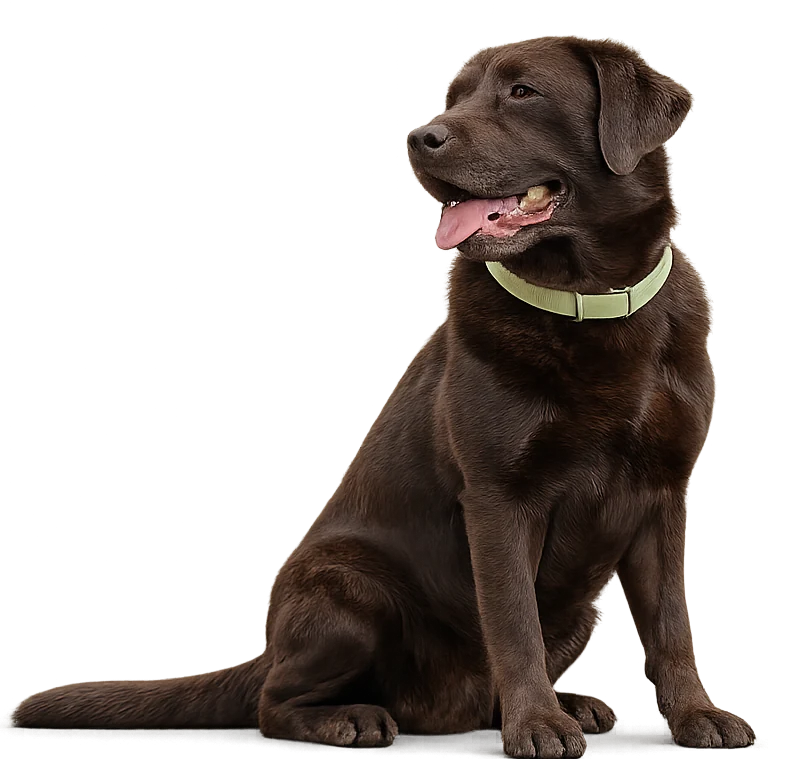
A chocolate Labrador standing side on

THE BREED IN BRIEF

THE LABRADOR RETRIEVER

A quick summary of the practical facts that shape day to day life with a Labrador. Use it as a starting point, then read the sections below for the detail behind each line.

Size
Large

Gundog group breed

ToyGiant
Typical adult height
55 to 57 cm

Approximate adult height

Typical adult weight
25 to 35 kg

Approximate adult weight

Typical lifespan
Over 10 years

Typical adult lifespan

Adult exercise
High. Adult Labradors need substantial daily physical activity and mental enrichment
LowHigh
Routine grooming
Normally a weekly brush, with additional brushing during heavier shedding
LowHigh
Shedding
Seasonal heavier shedding on a short, dense double coat
LowHigh
Trainability
Usually responsive, eager to learn and motivated by reward based training
ChallengingEasy
Time alone
Sociable and people orientated. Alone-time should be built up gradually
Lower toleranceHigher tolerance

Breed background

Breed group
Gundog
Original purpose
Retrieving game and working alongside people
Coat
Short, dense and weather resistant

Lifestyle and character

Mental stimulation
Daily enrichment alongside physical exercise
Typical character
Outgoing, affectionate, active and people orientated

These are broad breed characteristics. Individual dogs vary according to breeding, socialisation, training, age and health.

ORIGINS AND MODERN ROLES

WHERE THE LABRADOR CAME FROM

The Labrador traces back to working dogs in Newfoundland, where they assisted people around boats, nets and the water. Dogs brought to Britain were then developed further here, and the breed was established in the UK as a gundog used to retrieve game.

That working past still shapes the dog you live with today. Carrying things in the mouth, following a scent, working with a person rather than independently and a willingness to keep going in cold or wet conditions are all part of the retriever inheritance.

Modern Labradors work in many roles beyond the shooting field, including as assistance dogs, guide dogs, detection and service dogs, and as active family companions. The same qualities that suit those roles, a desire to work with people and a strong food and retrieve motivation, are the qualities you can channel at home.

TEMPERAMENT AND PERSONALITY

WHAT IS A LABRADOR REALLY LIKE TO LIVE WITH?

Labradors are generally sociable, people orientated dogs that enjoy being involved in family life. Most want company rather than solitude, and many are affectionate and physically demonstrative about it.

Enthusiasm is the word owners use most. A Labrador can be exuberant, bouncy and strong, and that energy often arrives before the self control does. Emotional maturity comes slowly, and adolescence can be lively well past the point at which the dog looks fully grown.

They usually respond well to reward based training and are commonly motivated by food, toys or the chance to retrieve. Carrying objects around the house, greeting visitors with something in the mouth and hopeful attention around the kitchen are all normal Labrador behaviour.

There is real variation between individuals. Dogs bred from working lines may be more driven and need more purposeful activity, while dogs from show lines are often heavier in build, though neither is a rule. Breeding, early socialisation, training, age and health matter more than the label.

What owners often love

  • Affectionate and involved with family life
  • Often keen to learn
  • Enjoys interactive activities
  • Generally versatile across different kinds of training and sport
  • Playful and engaging
  • Often motivated by food, toys or retrieving

What owners may underestimate

  • Adolescent energy that can last well into the second year
  • Jumping up and overexcited greetings
  • Strength on the lead
  • Chewing and carrying objects around the house
  • The need for mental stimulation as well as walks
  • Appetite, scavenging and the work of managing weight
  • Shedding, even from a short coat
  • Difficulty coping with long periods without company

Not every Labrador is friendly, obedient or reliable in every situation. Judge the dog in front of you rather than the breed name.

FAMILY LIFE

ARE LABRADORS GOOD FAMILY DOGS?

Many well socialised Labradors live happily in family homes. Their affectionate, interactive nature often suits an active household that wants the dog involved in walks, games and daily routine.

Size and enthusiasm are the practical caveats. A large, excited dog can easily knock over a small child, and a wagging tail at coffee table height clears a coffee table. That is a management question rather than a temperament fault, but it needs planning.

All interactions between dogs and children should be supervised. Children should learn not to disturb a dog that is eating, sleeping or resting, and the dog needs a quiet place of its own to withdraw to where nobody follows.

Socialisation, training and the individual dog's temperament matter far more than the breed label. A Labrador that has been well raised and taught calm greetings is a very different companion from one that has never been shown how to settle.

OTHER DOGS AND HOUSEHOLD PETS

LIVING ALONGSIDE OTHER ANIMALS

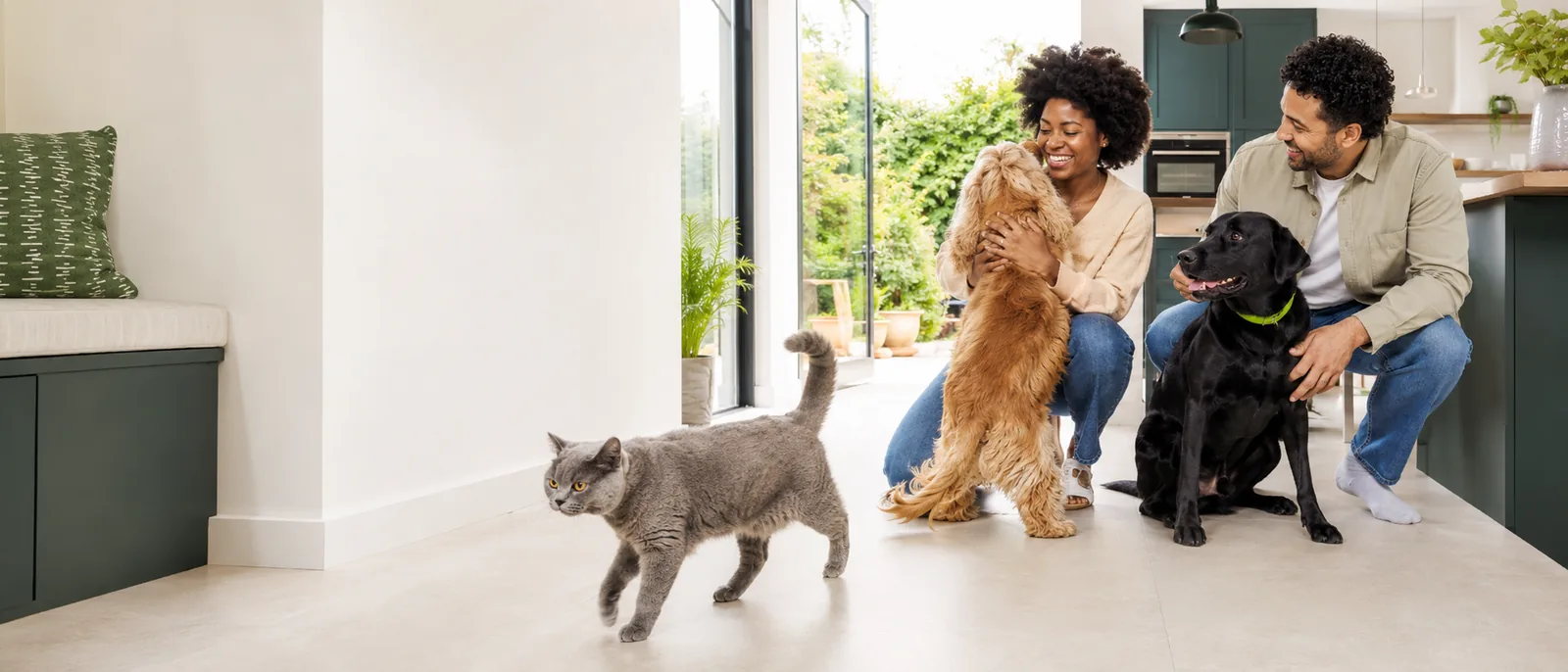
Many Labradors are sociable with other dogs when they have been appropriately socialised, though their play style can be physical and enthusiastic and does not suit every dog they meet. Introductions should be gradual and managed rather than left to chance.

Living with a cat is often possible, particularly where introductions are made carefully and early, with safe spaces and escape routes for the cat. Retrieving and chase instincts can still influence how a Labrador reacts to a running animal.

Individual history and temperament matter more than the breed. No dog should be left unsupervised with smaller or more vulnerable pets, including rabbits, guinea pigs and birds.

EXERCISE AND ENRICHMENT

A LABRADOR NEEDS MORE THAN A QUICK WALK

A healthy adult Labrador needs substantial daily exercise, and it usually works better spread through the day than delivered in one long push. Walking, retrieving, swimming, scent work, searching games, play and training all count.

Mental enrichment matters as much as distance. A dog that has used its nose and its brain settles far more readily than one that has simply been marched around the same block. A garden, however large, is not a substitute for walks, variety and interaction.

Puppies should not follow an adult routine while they are still growing, and older or unwell dogs may need activity adapted on veterinary advice. Dogs from working lines often need particularly purposeful activity rather than more of the same.

Example adult Labrador day

  • A morning walk with time to sniff, plus a little training along the way
  • A short food search, retrieving game or puzzle activity
  • Rest and family time, with the dog settled in company
  • A second walk or a structured activity later in the day
  • A short calm training or settling session before the evening

There is no single correct number of minutes. Match the activity to the individual dog's age, fitness and health, and take veterinary advice where there is any doubt.

TRAINING AND BEHAVIOUR

SMART, WILLING, AND OFTEN VERY EXCITABLE

Labradors have a reputation for being clever, and they usually are. Intelligence does not remove the need for consistent training, though. A quick learner picks up the habits you did not intend just as fast as the ones you did.

Reward based methods suit the breed well. Food motivation is a genuine training advantage, but treats should be counted within the day's food allowance rather than added on top of it.

Adolescence often brings pulling on the lead, jumping up, patchy impulse control and a recall that becomes suddenly optional. This is normal, it passes with consistent work, and it is much easier if the groundwork is already there.

Train calm as deliberately as you train activity. A dog that can switch off and settle in a busy house is easier to live with than one that only knows how to do things at speed.

Training priorities

  1. 01Recall
  2. 02Loose lead walking
  3. 03Calm greetings
  4. 04Drop and leave cues
  5. 05Settling on a mat or bed
  6. 06Tolerance of handling and veterinary examination
  7. 07Waiting around food and doorways
  8. 08Gradual training for short periods alone

SIZE, HOME AND PRACTICAL LIVING

WHAT A LARGE, ENTHUSIASTIC DOG ASKS OF YOUR HOME

Labradors are large, robust dogs, and how much indoor space they need depends largely on whether their exercise and stimulation needs are met elsewhere. A well exercised Labrador with a settled routine takes up less room in practice than the floor plan suggests, so a country house is not a requirement.

Secure boundaries and sensible storage matter more than square footage. A dog with an appetite and a habit of carrying things will find the bin, the shopping bags and the shoes if they are reachable.

Expect the physical realities. A heavy tail at table height, a dog that leans into you, mud and wet coats after walks, and hair on soft furnishings are all ordinary parts of Labrador ownership. Cars need enough room for the dog to travel safely and comfortably.

Stairs and slippery hard floors are worth considering for puppies, older dogs and any dog with mobility problems. Long stretches alone are difficult for a people orientated breed, whatever size the home is.

GROOMING, COAT AND SHEDDING

A SIMPLE COAT, BUT NOT A HAIR FREE HOME

The Labrador coat is short, dense and weather resistant, and routine care is straightforward. A weekly brush is usually enough, with more frequent brushing during heavier shedding periods.

Short does not mean low shedding. Labradors can leave a noticeable amount of hair around the house and car, and that is worth being honest with yourself about before choosing the breed.

Ears deserve routine attention, particularly for a dog that swims. Dry the coat and ears properly after swimming or wet walks, and keep an eye on nails, teeth, paws and skin as part of ordinary handling. Frequent bathing is not necessary unless there is a specific reason for it.

Weekly

  • Brush the coat
  • Check ears
  • Check paws and nails
  • Continue dental care
  • Check for new lumps, sore areas or skin changes

As needed

  • Bathe after particularly dirty activity
  • Dry thoroughly after swimming
  • Arrange nail trimming where natural wear is not enough
  • Seek veterinary advice for persistent itching, odour, redness or discharge

Labradors are not hypoallergenic.

FEEDING AND BODY CONDITION

FOOD MOTIVATION NEEDS ACTIVE MANAGEMENT

Labradors are often highly food motivated, and the breed has a recognised predisposition to being overweight. Managing that is one of the defining daily jobs of Labrador ownership.

Measure portions rather than estimating them, and include training treats within the daily allowance rather than treating them as extra. Body condition, how the dog looks and feels over the ribs and waist, is more useful than the number on the scales alone.

Weigh and body condition score regularly, and adjust feeding for age, activity level and health. Individual dietary advice belongs with your vet, who can assess the dog in front of them.

This page does not give feeding quantities or recommend supplements. Ask your vet about the right diet and portions for your dog.

HEALTH CONSIDERATIONS

HEALTH CONSIDERATIONS LABRADOR OWNERS SHOULD KNOW

Many Labradors live long and healthy lives. A recognised breed predisposition does not mean that an individual dog will develop the condition.

Hip dysplasia

A developmental condition in which the hip joint forms abnormally and becomes unstable. Signs can include stiffness, difficulty rising, reluctance to exercise or a change in the way the dog moves. Hip screening under the BVA and Royal Kennel Club scheme helps breeders make better informed decisions, but screening reduces uncertainty rather than guaranteeing an unaffected puppy.
Elbow dysplasia

A group of developmental abnormalities affecting the elbow joint. Front limb lameness, stiffness or reluctance to exercise can be signs. Elbow grading under the BVA and Royal Kennel Club scheme is part of responsible breeding for the breed.

Osteoarthritis and mobility

UK research on Labradors has identified osteoarthritis as an area of increased risk for the breed. It can involve pain, stiffness and reduced mobility. Keeping a dog at a healthy weight supports joint comfort, and persistent changes in movement should be assessed by a vet.

Weight and obesity

Labrador health research has identified obesity as an important concern for the breed. Excess weight can affect mobility and general wellbeing. Monitoring body condition, portions, treats and activity is the practical response.

Ear disease

Inflammation of the external ear canal has been reported frequently in UK Labrador health research. Head shaking, scratching at the ears, redness, odour or discharge are all worth attention. Dry wet ears after swimming, and have persistent symptoms assessed by a vet rather than treated at home.

Progressive retinal atrophy and inherited eye disease

Progressive retinal atrophy can gradually affect vision, sometimes beginning with difficulty seeing in low light. Eye screening and relevant DNA testing form part of responsible breeding. Not every change in a dog's sight is PRA, so any concern about vision should be checked by a vet.

Breed relevant inherited conditions

The Royal Kennel Club currently identifies several DNA tests for responsible Labrador breeding, covering centronuclear myopathy (CNM), exercise induced collapse (EIC), macular corneal dystrophy (MCD), progressive retinal atrophy (prcd-PRA), skeletal dysplasia 2 (SD2), Stargardt disease (STGD) and hereditary nasal parakeratosis (HNPK). These tests mainly inform breeding decisions. They do not mean that most Labradors will develop these conditions.

This is general breed information rather than a diagnosis. Speak to a vet about symptoms or concerns affecting an individual dog.

POLICY TERMS THAT MATTER

WHAT THIS MEANS FOR PET INSURANCE

A breed predisposition does not mean your dog will develop a condition, and it does not tell you whether treatment would be covered. Cover depends on the individual policy, its exclusions and limits, when signs or symptoms first appeared, and your pet's medical history.

These are the terms worth reading closely if you are arranging or comparing cover for a Labrador. Wording varies between providers, so check the policy documents rather than assuming any of them applies.

Pre-existing condition wording

Anything already recorded in your pet's veterinary history may be relevant to an insurer's assessment. Definitions differ between providers, so read this one first.

Hereditary and congenital wording

Inherited and congenital conditions are never automatically covered. Check whether they are included, excluded or limited.

Chronic and recurring conditions

Long term conditions are managed year after year, so check whether treatment continues at renewal and how limits apply across policy years.

Veterinary fee limit

The overall limit, and whether it resets each year, usually matters more for a large claim than any single headline feature.

Referral, diagnostics and imaging

Specialist referral, scans and investigations are sometimes capped separately from treatment.

Bilateral and related condition definitions

Where a second problem is treated as related to the first, it draws on the same limit rather than starting fresh.

Excess and percentage contribution

Some policies add a percentage contribution as a pet gets older. The age threshold and how the contribution applies vary, so check the policy terms.

For what hereditary, congenital, pre-existing, related and bilateral actually mean, see our guide to how breed affects pet insurance.

This is general information, not a personal recommendation.

PUPPY BUYING AND BREEDER HEALTH TESTS

WHAT TO CHECK BEFORE BUYING A LABRADOR PUPPY

The Royal Kennel Club sets out recommended health tests and screening schemes for Labrador breeding. Ask which have been carried out on both parents, and verify the results rather than accepting them verbally. The Royal Kennel Club Health Test Results Finder can help confirm recorded results.

Health testing informs breeding decisions. It does not guarantee a healthy puppy. Temperament, rearing conditions, early socialisation and the wider family history matter alongside the test certificates.

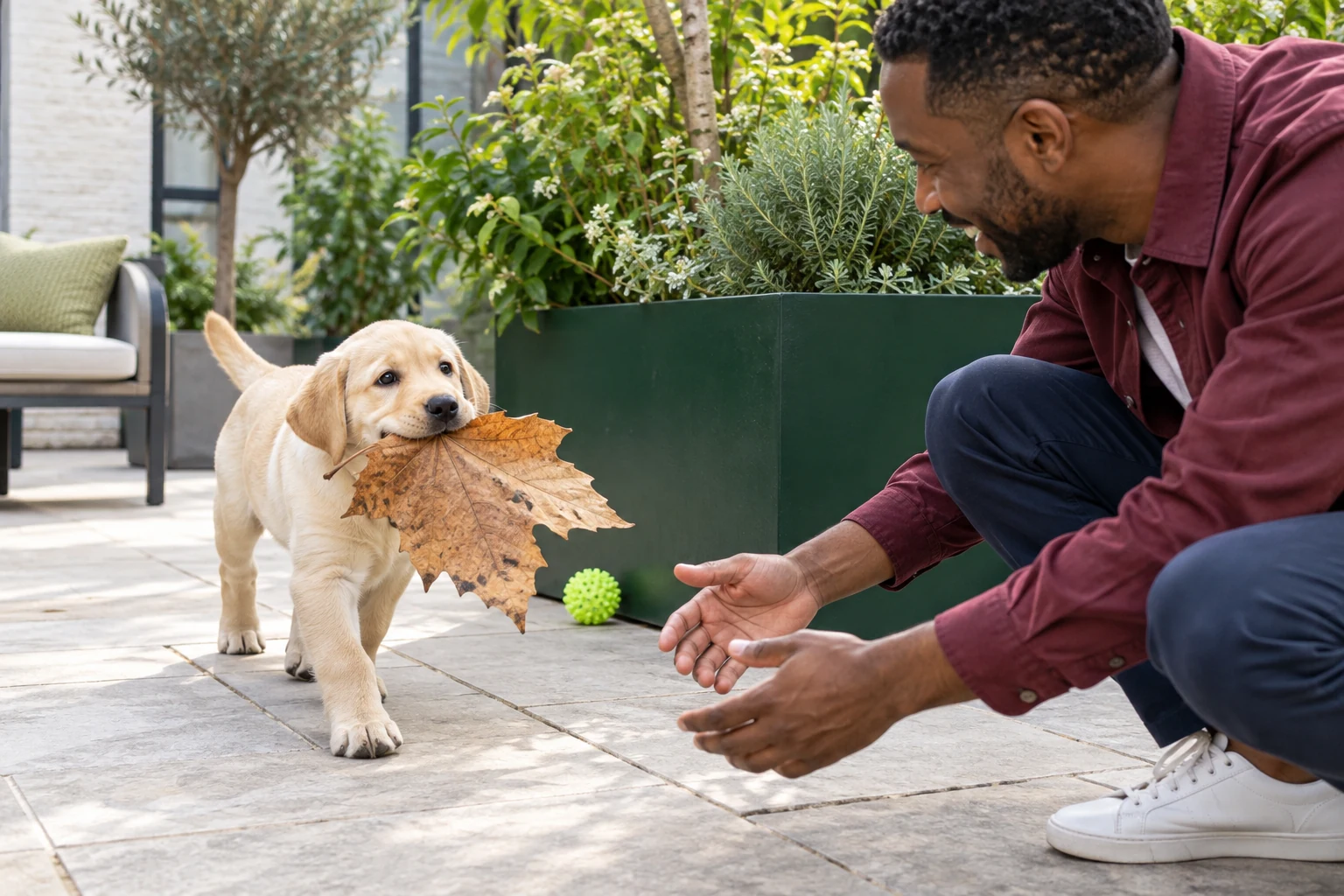
A Labrador puppy carrying a leaf across a patio towards its owner

Good Practice tests and schemes

  • CNM DNA test
  • EIC DNA test
  • MCD DNA test
  • prcd-PRA DNA test
  • SD2 DNA test
  • STGD DNA test
  • BVA and Royal Kennel Club elbow testing
  • BVA and Royal Kennel Club hip testing
  • BVA, Royal Kennel Club and ISDS eye testing

Best Practice

  • HNPK DNA test

Warning signs

  • Handover arranged in a car park or other neutral location
  • Refusal to show you the puppy with its mother
  • Health test results that cannot be verified
  • Multiple breeds or several litters available at once
  • Poor living conditions for the litter
  • Pressure to pay immediately or hold the puppy with a deposit
  • Little interest in the home the puppy is going to

Breeder checklist

  1. 01Meet the puppy with its mother where appropriate
  2. 02Verify health test results for both parents
  3. 03Ask about health and lifespan in the wider family line
  4. 04Check microchip and veterinary records
  5. 05Observe the environment and early socialisation
  6. 06Avoid pressure to pay or collect immediately
  7. 07Read the purchase contract and the return provisions
  8. 08Confirm what ongoing breeder support is available
  9. 09Make sure the puppy is old enough to leave
  10. 10Arrange an independent veterinary check after collection

Rehoming a Labrador through a rescue: history is often incomplete, so plan gradual introductions and allow a decompression period before expecting the dog to settle into a routine. Ask the rescue what support they offer after the adoption, and arrange an early veterinary assessment. A rescue background does not make a dog inherently unhealthy or difficult.

LIFE STAGES

WHAT CHANGES AS A LABRADOR GROWS UP

Puppy

Focus on socialisation, plenty of sleep, toilet training, chewing outlets and bite inhibition. Keep training gentle and short, keep exercise appropriate to a growing body, and avoid repeated high impact activity. Introduce grooming and handling early so it is never a fight later.

Adolescent

Strength and energy increase, and recall may regress just as the dog gets faster. Expect jumping up and lead pulling to resurface. Keep socialising, keep training calmness and impulse control, and hold realistic expectations about when maturity arrives.

Adult

Consistent exercise, purposeful mental activity and weight management become the routine. Keep maintaining recall and everyday manners, provide regular company, and keep an eye on body condition and general health.

Senior

Adapt exercise to keep the dog moving comfortably, and monitor weight and muscle condition. Watch for changes in hearing, sight or cognition, make beds and vehicles easier to get in and out of, and take veterinary advice for persistent physical or behavioural changes.

A REALISTIC ROUTINE

WHAT LABRADOR OWNERSHIP LOOKS LIKE WEEK TO WEEK

A typical weekday

  • Morning exercise with time to sniff and explore
  • Measured breakfast, with treats counted in
  • A brief training or enrichment activity
  • Rest, ideally settled near the family rather than shut away
  • Human company through the day, or arrangements to cover longer absences
  • A second exercise period later on
  • Calm evening time and a settle on the bed or mat
  • Coat, ear or paw checks where the day's activity calls for it

Across the week

  • Several varied walking routes rather than the same loop
  • Retrieving or scent based activities
  • Short, regular training sessions
  • A coat brush
  • Ear checks, especially after swimming
  • Body condition monitoring
  • Cleaning up hair, mud and wet dog residue
  • Arranging care if the dog would otherwise be left too long

Our quote service is not live yet while we onboard insurers. Book a demo to see how it will work.

Book a demo

THE HONEST BALANCE

REASONS PEOPLE LOVE LABRADORS

Affectionate company

Socially engaged dogs that generally want to be part of what the household is doing.

Keen to learn

Often willing to work with people, which makes training a shared activity rather than a chore.

Adaptable

Suited to many forms of training and activity, from scent work to gundog training to everyday obedience.

Playful and interactive

Games, retrieving and problem solving are usually welcomed enthusiastically.

A good walking companion

Well suited to owners who genuinely enjoy being outdoors in most weather.

Active and settled

Capable of being an active companion and a relaxed family presence, once their needs are consistently met.

THE HONEST BALANCE

CHALLENGES TO CONSIDER

High exercise and stimulation needs

Daily activity and mental work are not optional, and a missed day usually shows in the dog's behaviour.

A strong, energetic adolescence

A big, powerful dog with limited impulse control is demanding to live with for a period of months.

Pulling, jumping and overexcited greetings

Without consistent training these are the default rather than the exception.

A tendency to gain weight

Portions, treats and body condition need ongoing attention rather than occasional review.

Food stealing and scavenging

Counters, bins and pockets are all fair game to a determined Labrador.

Noticeable shedding

A short coat still leaves hair on floors, furniture and clothing.

A need for company

Regular interaction matters, and long days alone are hard on a people orientated dog.

Recognised health considerations

Joint, eye, ear and inherited conditions are documented in the breed and worth understanding in advance.

SUITABILITY

WHO A LABRADOR MAY SUIT

A Labrador may suit

  • Active households with time for daily exercise
  • Owners who enjoy training and interacting with a dog
  • Families able to supervise children and dogs together
  • People who are relaxed about shedding, mud and wet walks
  • Households that can provide regular company
  • Owners willing to manage food intake and body condition
  • People looking for a medium to large, socially engaged dog

Another breed may suit better if you

  • Want a low exercise dog
  • Expect a dog to cope with long working days alone
  • Would struggle to manage a strong, enthusiastic adolescent
  • Dislike shedding, mud or wet coats in the house
  • Do not want to train regularly
  • Cannot supervise young children and a large dog together
  • Are unwilling to monitor diet and body condition
  • Want a naturally quiet and highly independent dog

Neither list is a verdict. They are prompts to think about how a Labrador would fit the household you actually have.

ALTERNATIVES

SIMILAR BREEDS TO CONSIDER

Golden Retriever

Similar sociability and a shared retrieving background. Usually carries a longer coat, which means a greater grooming commitment.

Read the Golden Retriever guide

Flat-Coated Retriever

Similarly energetic and people orientated, often particularly exuberant and slow to mature, with a longer coat than a Labrador.

Nova Scotia Duck Tolling Retriever

A smaller retriever that is highly active and trainable. Can be more intense, more vocal and more sensitive than a Labrador.

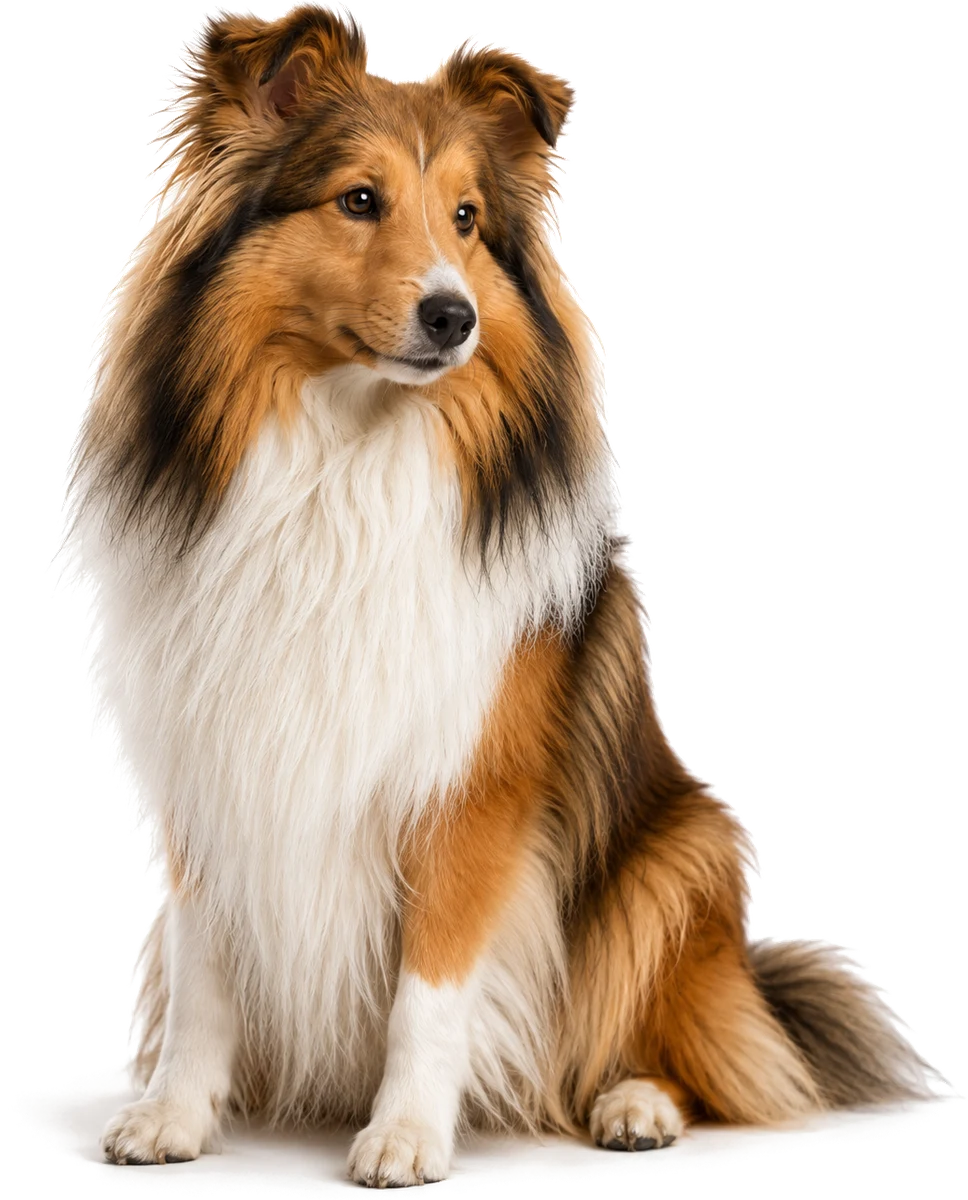
Smooth Collie

Family orientated and trainable, usually lighter in build, with a shorter coat than a Rough Collie. Herding instincts and a different sensitivity mean it is not a retriever temperament.

None of these breeds is automatically easier than a Labrador. Each brings its own needs.

COMMON QUESTIONS

LABRADOR FAQS

Many well socialised Labradors live successfully in family homes. They are generally sociable, affectionate and interested in being part of daily life, which often suits an active household. The practical caveats are size, strength and enthusiasm: a large excited dog can knock over a young child without meaning any harm. Supervision, training and giving the dog a quiet place to rest matter more than the breed label.

EDITORIAL STANDARDS

HOW WE CHECK THIS GUIDE

This guide uses recognised UK breed, welfare and veterinary sources. Breed characteristics describe broad tendencies rather than every individual dog. Health guidance is reviewed when material official recommendations or evidence changes.

Written by
Yeti Compare editorial team
Last updated
3 August 2026
Material update
Reframed as a breed suitability and ownership guide

This guide provides general information about Labrador Retrievers. Individual dogs vary, and the health information is not a diagnosis or a substitute for veterinary advice.

Sources used for this guide

KEEP READING

OTHER BREED GUIDES

Researching more than one breed? These guides follow the same format, so you can compare temperament, health and day to day needs side by side.

ALREADY HAVE A LABRADOR?

SEE HOW OUR QUOTE SERVICE WILL WORK

Our quote service is not live yet while we onboard insurers. Book a demo to see how it will work.