


Yeti Compare

SPHYNX BREED GUIDE

SPHYNX: HEALTH EVIDENCE AND WHAT IT MEANS FOR COVER

Our quote service is not live yet while we onboard insurers. Book a demo to see how it will work.

Two conditions carry the evidence for the Sphynx: hypertrophic cardiomyopathy and congenital myasthenic syndrome. The breed's daily skin and warmth needs are husbandry rather than disease, and routine care of that kind is generally not insured treatment. [1] [2] [3] [4]

A breed predisposition does not mean your cat will develop the condition, and it does not tell you whether treatment would be covered.

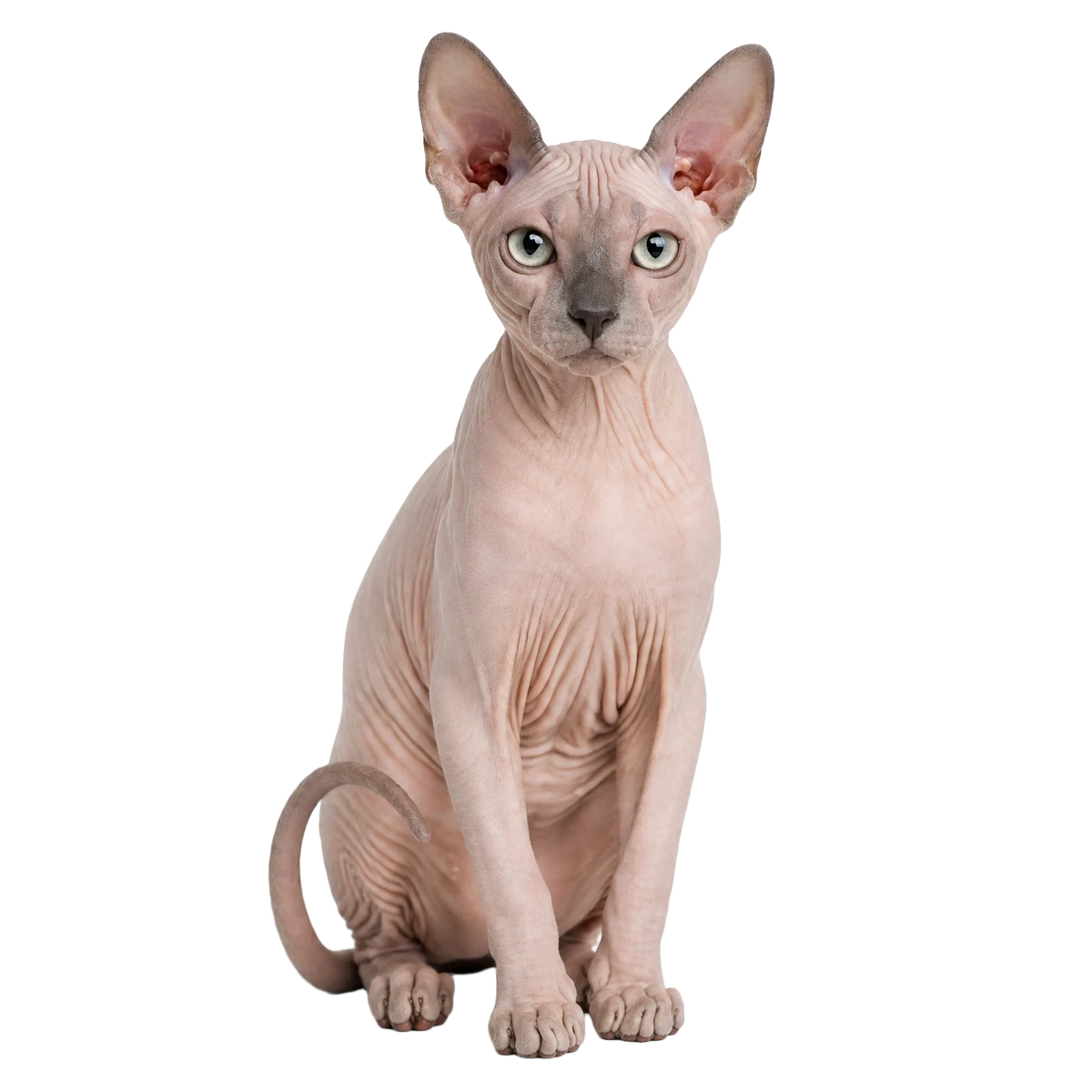
A Sphynx cat sitting and facing the camera

THE EVIDENCE IN BRIEF

THE SPHYNX

This guide sets out the recognised health evidence for the Sphynx from UK veterinary and breed health sources, and explains which policy terms are worth reading closely as a result. Individual cats vary, and a recognised predisposition does not mean an individual will be affected.

Evidence summary

Evidence strength
Moderate to strong breed health material, limited UK prevalence
Main themes
Hypertrophic cardiomyopathy, congenital myasthenic syndrome
Policy focus
Cardiology, hereditary wording, routine care exclusions

Figures are quoted with the study, sample and period they come from. Annual prevalence is not lifetime risk, and odds ratios are not probabilities.

RECOGNISED HEALTH CONSIDERATIONS

WHAT THE UK EVIDENCE SHOWS

The material below comes from breed health sources. Robust UK prevalence data for the Sphynx is limited, so we describe what is recognised and screened for rather than estimating how common it is.

Hypertrophic cardiomyopathy

Thickening of the heart muscle that can impair function and may require repeated echocardiography and medication. GCCF Sphynx information reports the condition in young to middle aged cats and supports cardiac screening context. Robust UK prevalence data is limited. [1] [2]

Congenital myasthenic syndrome

An inherited neuromuscular disorder causing weakness and exercise intolerance. GCCF genetic testing material lists a DNA test for the condition in the Sphynx and Devon Rex. [3]

Skin and temperature care, which is husbandry rather than disease

Hairlessness changes normal skin oil, temperature regulation and sun care needs, so a Sphynx needs more day to day care rather than less. GCCF welfare guidance notes these breed specific husbandry requirements and states there is no evidence that Sphynx cats are more prone to skin cancer, despite that claim being widely repeated online. Routine bathing, warmth and sun protection are care costs, not insured treatment. [4]

This is general breed information rather than a diagnosis. Speak to a vet about symptoms or concerns affecting an individual cat.

POLICY TERMS THAT MATTER

WHAT THIS MEANS FOR PET INSURANCE

A breed predisposition does not mean your cat will develop a condition, and it does not tell you whether treatment would be covered. Cover depends on the individual policy, its exclusions and limits, when signs or symptoms first appeared, and your pet's medical history.

These are the terms worth reading closely if you are arranging or comparing cover for a Sphynx. Wording varies between providers, so check the policy documents rather than assuming any of them applies.

Specialist cardiology and echocardiography

Heart assessment usually means repeat scans, sometimes with a specialist, and some policies cap diagnostics or referral separately.

Chronic medication

Heart medication is taken long term, so check whether treatment continues at each renewal and how limits apply across policy years.

Hereditary and congenital wording

An inherited condition is never automatically covered. Read the definition, the exclusions and any waiting period.

Specialist neurology

Investigating weakness or exercise intolerance may involve referral, so check referral cover and any separate limit.

Pre-existing murmur or weakness

A murmur or episode of weakness already in your cat's records may be relevant to an insurer's assessment, depending on the definition used.

The routine care exclusion

This matters more for the Sphynx than for most breeds: bathing, warmth, sun protection and other preventive husbandry are generally excluded as routine care.

For what hereditary, congenital, pre-existing, related and bilateral actually mean, see our guide to how breed affects pet insurance.

Health screening tells you what breeders monitor. A genetic test result alone does not establish whether a future condition will be covered. Answer the insurer's health questions accurately and check how its terms apply. This is general information, not a personal recommendation.

BREEDING HEALTH INFORMATION

HEALTH SCREENING

GCCF genetic testing material lists a DNA test for congenital myasthenic syndrome, and cardiac screening context is relevant to the breed. UK prevalence data is limited, so screening availability should not be read as evidence that either condition is common. [1] [3]

Screening availability is breeding health information. It is not evidence that a condition is common, and no screening result guarantees insurance cover.

COMMON QUESTIONS

FREQUENTLY ASKED QUESTIONS

GCCF welfare guidance states there is no evidence for that, despite the claim being common online. Hairlessness does change sun, warmth and skin care needs, which is a husbandry matter rather than a disease claim.

EDITORIAL STANDARDS

HOW WE CHECK THIS GUIDE

Health content is written from UK veterinary research and official breed health sources, and every figure keeps the study, sample and period it came from. Insurance content explains policy terms only: it does not recommend a cover type, quote a price or make any claim about eligibility.

Content type
Breed health and insurance terms guide
Scope
General information, not a personal recommendation
Ownership content
Temperament, exercise, grooming and buying guidance are being written separately

Cover can vary by provider. Final prices may change on the provider website, and you should check the policy documents before buying.

Sources

KEEP READING

OTHER BREED GUIDES

Researching more than one breed? These guides follow the same format, so you can compare temperament, health and day to day needs side by side.

WHEN YOU ARE READY

SEE HOW OUR QUOTE SERVICE WILL WORK

Our quote service is not live yet while we onboard insurers. Book a demo to see how it will work.